


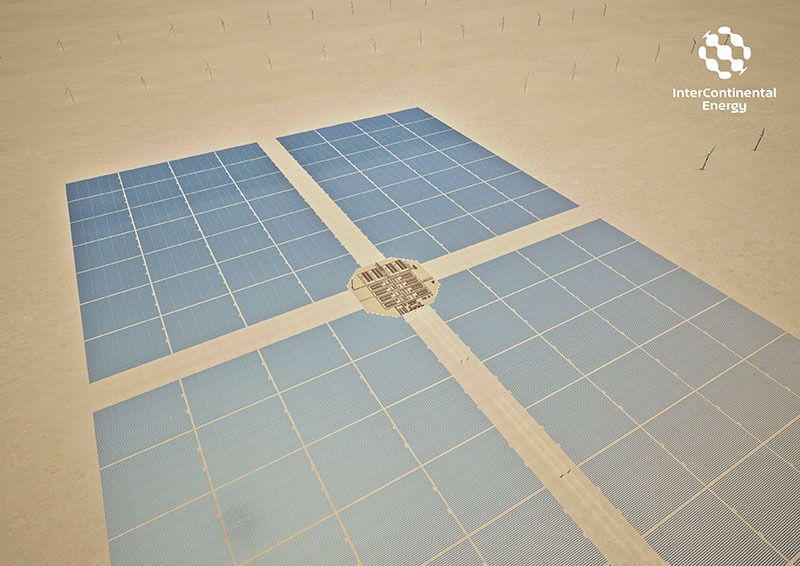
Perth-based InterContinental Energy announced three major milestones for its P2(H2)Node architecture today. The company secured new funding, signed its first system license, and expanded its global patents. This strategic expansion signals a major shift in the renewable hydrogen market.
The Australian Renewable Energy Agency awarded the company up to $1.6 million through its Advancing Renewables Program. InterContinental Energy will use these funds to develop a Digital Twin Optimization Framework for the patented system. The new architecture integrates electrolysis plants directly with wind and solar farms.
This direct integration eliminates long-distance power transmission requirements. Developers use this modular construction blueprint to plan large-scale green fuel hubs in remote and coastal regions. The resulting design cuts capital and operating costs by 10% to 20% while boosting overall energy efficiency.
Advancing Digital Engineering
The new funding helps create a standardized digital model. Engineers will use this licensable design to plan complex projects. Digital simulation shortens delivery timelines significantly. It also reduces project risks for developers worldwide.
Richard D. Colwill serves as the Head of Engineering and Innovation at InterContinental Energy. He praised the recent financial support from the government. “ARENA’s support acknowledges the potential of the P2(H2)Node architecture and its role in accelerating large-scale green fuels, such as renewable hydrogen,” Colwill stated.
The company focuses heavily on fuel security and artificial intelligence power demands. “We are advancing digital and engineering design work that gives developers and investors more certainty on cost, performance, and timing, at a time when fuel security and AI power needs are front of mind,” Colwill added.
First Major System License
InterContinental Energy signed the first official license for this architecture. A large-scale renewable hydrogen project will deploy the initial node. This project provides an early reference case for the industry. Experts expect this agreement to drive future global partnerships.
“This first license is a significant milestone, moving the Node from concept to deployment,” Colwill said. He anticipates this initial deployment will guide upcoming global projects. “We expect it to serve as a model for future licenses, enabling developers to use a proven, optimized design rather than starting from scratch.”
Developers integrate these nodes directly with massive data centers. Facilities running on 100% green energy show strong customer interest. The system supports shipping aviation e-fuels, fertilizers, and green steel production.
Expanding Global Patent Reach
The company successfully patented the architecture in 50+ countries. Key nations include Australia, the United States, Canada, and South Africa. Mauritania and Namibia also granted patents for this innovative technology.
This expansive portfolio protects long-term investments in clean fuel innovation. The modular design combines optimized efficiency with integrated storage solutions. It transforms how the world produces affordable renewable energy.
The company has led green fuel development since 2014. Future energy hubs will support massive 3.6-gigawatt operations across remote landscapes. These technological advancements push the global economy toward a sustainable future.
More news: The Global Race for Clean Energy Manufacturing
More: Intercontinental Energy
