


Oil Markets React to Diplomatic Maneuvers
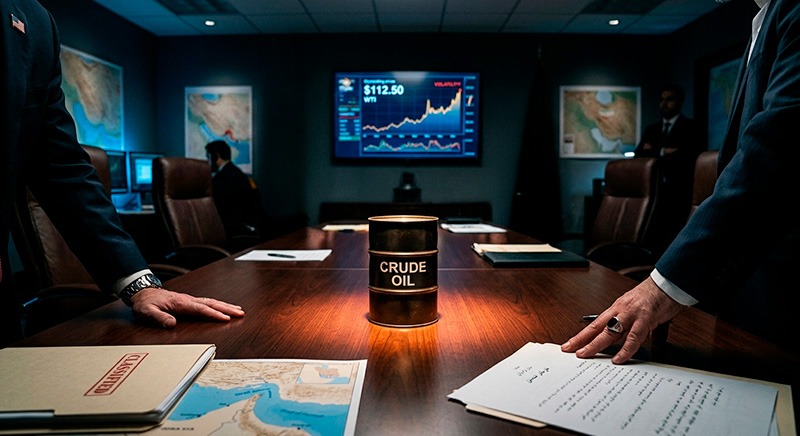
Crude oil markets experienced a minor pullback this week, yet geopolitical risk premiums maintain a strong upward trend across global exchanges during 2026. Analysts estimate a 90% probability that energy markets will remain highly volatile. Traders watched prices dip slightly after President Donald Trump announced a delay in a planned military strike against Iran. Samer Hasn, Senior Market Analyst at XS.com, observes the current conditions directly. Hasn notes, “Crude oil prices are declining slightly today by around 1%, with West Texas Intermediate crude still holding above $103 and $110 a barrel.” Gulf nation leaders requested the strike delay to allow additional time for diplomatic negotiations. This intervention temporarily eased immediate supply fears, but it failed to erase the structural risks embedded in Middle Eastern energy infrastructure.
Trump utilized his Truth Social platform to announce the postponement of the impending military action. Analysts view this digital maneuver as a strategic pause rather than a definitive pivot toward lasting peace. The delay offers a brief window for de-escalation, yet all involved parties stubbornly hold onto extreme geopolitical demands resembling conflicts of the XX century. Global oil stockpiles currently face unprecedented drawdowns, which limits the market’s ability to absorb unexpected supply shocks. Traders recognize that these tight inventories prevent any sustained drop in energy costs. The diplomatic delay creates a fragile environment where energy prices remain heavily dependent on volatile political developments. Investors continue to price in the possibility of sudden conflict, ensuring that oil valuations stay elevated despite the temporary halt in military aggression.
Hardline Stance Blocks Negotiation Path
The current circumstances render traditional negotiation paths highly ineffective and politically complex. Iran recently appointed a new, hardline leadership team that strictly controls the national hierarchy. These new officials maintain uncompromising, maximalist demands regarding their nuclear ambitions, ballistic missile programs, and strategic control over the Strait of Hormuz. This rigid inflexibility complicates international diplomacy significantly. Experts suggest the most optimistic outcome would merely mirror the controversial agreement signed during the Obama administration. The Trump administration views returning to such a framework as politically humiliating. Officials previously dismantled that exact nuclear deal and officially withdrew the United States from its obligations. Consequently, reverting to a similar treaty would essentially place American diplomats right back at their original starting point. The global community watches this diplomatic stalemate with growing concern.
Market experts view the recent political posturing with heavy skepticism. Diplomatic progress appears completely stalled at this critical juncture. Analysts doubt the administration can secure meaningful concessions from Tehran. The Iranian leadership shows zero interest in compromising their strategic goals. Samer Hasn explains the true motivation behind the recent presidential announcement. He states, “Therefore, I see yesterday’s maneuver by Trump as nothing more than an attempt to force energy prices down or to buy time to secure some kind of concession from Iran, which I find unlikely given the current hardline leadership.” This perspective highlights the inherent limitations of social media diplomacy. Leaders cannot resolve decades of nuclear tension through temporary delays. Energy markets demand concrete geopolitical stability. Investors recognize these temporary tactics.
Escalation Risks Threaten Energy Infrastructure
A military strike remains a highly probable option for policymakers. Such an operation requires far more extensive action than previous engagements. Seth Cropsey, president of the Yorktown Institute, recently outlined these harsh realities. He argued his case in a prominent Wall Street Journal opinion piece. Cropsey emphasized the necessity of wide-ranging military action against Iranian infrastructure. Target lists must include industrial complexes and vital communications networks. Planners must also expand airstrikes against heavily fortified military targets. Forces must execute a massive ground operation alongside the aerial bombardment. Troops need to seize enriched uranium buried deep beneath rugged mountains. This seizure represents a primary war goal that America has failed to achieve. Achieving this objective demands unprecedented military commitment.
The failure of diplomacy leaves the door open for violent escalation. Strikes against Middle Eastern energy infrastructure pose a severe global risk. Recent attacks targeted the Barakah nuclear power plant in the UAE. This event proved that regional energy facilities lack guaranteed protection. Samer Hasn summarizes the bleak diplomatic landscape driving these market fears. Hasn notes, “Based on the narrative that diplomacy has stalled and that a deal similar to the previous nuclear agreement is nearly impossible, escalation remains likely to return sooner or later.” This constant threat maintains a strong upward momentum in oil prices. Markets ignore the maneuvers Trump uses to force prices down. Sustained price drops remain impossible while faith in diplomacy stays broken.
Munitions Shortages and Political Pressures
Domestic vulnerabilities might eventually force oil prices into a gradual decline. The United States currently suffers from a fundamental military supply shortage. Forces lack vital, high-end munitions for both offensive and defensive operations. This critical deficit restricts the administration’s ability to wage a prolonged war. Furthermore, the rapidly approaching midterm elections heavily influence domestic political strategies. Voters rarely reward administrations that embroil the country in expensive foreign conflicts. Politicians face intense pressure to resolve these expensive international standoffs quickly. A prolonged military engagement risks alienating key voter demographics before election day. Consequently, Washington might actively seek a rapid agreement to end the war. Alternatively, the administration could orchestrate a complete strategic withdrawal from the conflict zone.
An unexpected withdrawal would demand a massive public relations campaign. The president’s communication team would immediately mobilize to control the narrative. They would likely repackage any messy exit as a decisive diplomatic victory. This strategy aims to limit political costs and preserve electoral viability. Market analysts monitor these domestic political pressures with extreme vigilance. Traders know that sudden peace agreements dramatically alter global energy valuations. A rapid de-escalation would trigger a significant downward correction in oil markets. However, until officials sign a binding treaty, the geopolitical risk premium remains. The threat of a broader conflict continues to support elevated crude valuations. Investors navigate a treacherous landscape defined by military shortages and political ambition.
More news: Record Oil Stock Depletion Driven by Unprecedented Supply Losses
