


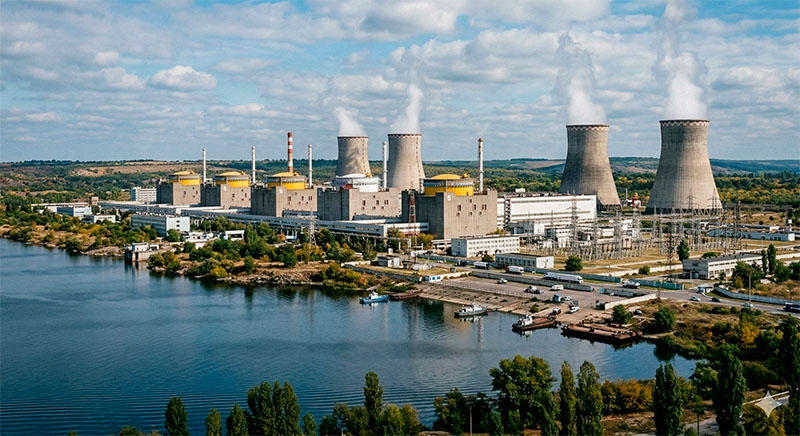
The International Atomic Energy Agency released a critical update today. Director General Rafael Mariano Grossi issued a stark warning. He addressed the ongoing nuclear crisis in Ukraine. The Zaporizhzhya Nuclear Power Plant faces severe power constraints. The facility relied 100% on a recently repaired backup line.
This alarming event happened several hours earlier this month. Workers intentionally disconnected the main power line. They needed to perform essential maintenance work. This major disconnection took place on March 6. The 330 kV Ferosplavna-1 backup line handled the entire electrical load. Negotiators secured a fifth local ceasefire on March 5, 2026. This vital ceasefire allowed technicians to restore the backup line. Director General Grossi emphasized the extreme fragility of the situation.
“The plant’s fragility puts constraints on electrical maintenance,” he stated. He noted the critical need for dependable power infrastructure. Off-site power remains absolutely vital for nuclear safety and security. Without it, the risk of a catastrophic accident skyrockets immediately. The plant desperately needs robust and diverse energy sources.
Emergency Generators Prevent a Total Nuclear Disaster
The situation at the Zaporizhzhya facility remains incredibly dire. The massive plant lost all off-site electricity exactly 12 times. These terrifying blackouts have occurred since the start of the conflict. Emergency diesel generators act as the absolute last line of defense. These massive machines prevent the reactor cores from melting down. The IAEA team observed testing of these crucial backup systems.
They watched plant workers test an emergency generator at Unit 3. The generators must work perfectly during a real grid blackout. A mechanical failure could trigger a massive, deadly radiation leak. The IAEA monitors these vital systems with intense, daily scrutiny. The agency knows the high stakes for the XXI century. Experts understand the severe consequences of a complete cooling failure. The team also reviewed the ambitious 2026 maintenance plan.
They discussed critical fire protection systems with the plant management. Staff members also conducted a partial evacuation drill recently. This drill involved personnel inside the main administrative building. The workers practiced escaping the large facility safely and quickly. Constant preparation remains essential under these harsh wartime conditions.
Plant Leaders Restructure the Vital Workforce
The IAEA team spent the past two weeks holding meetings. They discussed the plant’s newly updated organizational structure. Plant management introduced these major administrative changes back in 2025. The difficult transition created new reporting lines for the staff. Leaders merged several departments to streamline overall plant operations.
The IAEA experts analyzed how these changes affect daily safety. They need to ensure clear communication during sudden, chaotic emergencies. A confused chain of command could easily cost precious minutes. The international inspectors asked detailed questions about staff responsibilities. They want 100% certainty regarding the new emergency protocols. The Ukrainian staff operates under immense psychological and physical pressure. They maintain professional standards despite the violent surrounding conflict. The 2025 reorganization aims to improve efficiency and response times.
The IAEA closely monitors these significant internal personnel shifts. The agency requires a stable work environment for maximum safety. Human error often causes the worst nuclear accidents in history. Clear roles help prevent these devastating mistakes from ever happening. The administration attempts to address these specific human vulnerabilities.
Destructive Missiles Strike the Kharkiv Research Facility
The severe danger extends far beyond the Zaporizhzhya power plant. Other vital nuclear sites across Ukraine face constant military threats. The State Nuclear Regulatory Inspectorate of Ukraine reported new attacks. Destructive missiles targeted a crucial electrical substation in Kharkiv. This terrifying event occurred during the dark night of March 11. The powerful strikes completely destroyed the electrical substation.
This substation powered the famous Kharkiv Institute of Physics and Technology. The research institute houses a subcritical Neutron Source Installation. The violent attack disconnected the facility from the electrical grid. The dangerous blackout lasted until the morning of March 13. The facility relied entirely on its emergency diesel generators.
These generators ran continuously for nearly 48 hours straight. They successfully powered all the essential, life-saving safety systems. The dedicated researchers avoided a potential local nuclear emergency. However, the margin for error remains terrifyingly thin every day. Destroyed infrastructure takes massive time and resources to rebuild. The research facility needs a stable grid to conduct safe science.
Dangerous Grid Instability Plagues the Historic Chornobyl Site
The historic Chornobyl power plant also experienced severe grid issues. The dedicated IAEA team at the site reported a major incident. The plant lost its connection to the main transmission line. This massive 750 kV Kyivska line failed on March 14. The dangerous disconnection lasted for nearly 24 hours. The State Nuclear Regulatory Inspectorate investigated the primary root cause.
They discovered a new attack on another essential electrical substation. This remote substation supports vital nuclear safety and security operations. The plant did not lose all of its off-site power. However, the fragile grid experienced massive, dangerous voltage fluctuations. These sudden drops triggered automatic, life-saving safety mechanisms immediately. Emergency diesel generators activated instantly to protect the historic site. They supplied power to the massive New Safe Confinement structure.
They also powered the vital Interim Spent Fuel Storage Facility 1. Operators manually switched off the generators after exactly 15 minutes. The grid stabilized enough to safely resume normal power operations. Director General Grossi commented on this terrifying near-miss at Chornobyl. “Grid instability affects nuclear safety across Ukraine,” Grossi warned the public.
Unidentified Drones Circle the South Ukraine Power Plant
Military drones pose a new, terrifying threat to nuclear facilities. The IAEA team at the South Ukraine Nuclear Power Plant reported sightings. Security personnel detected a suspicious drone very close to the facility. The drone flew just 1 kilometre from the sensitive site. This deeply concerning event happened on the morning of March 18.
The incident followed another disturbing drone encounter earlier this month. Nervous guards spotted two drones during the night of March 6. Those drones flew approximately 5 kilometres from the plant. These proximity breaches violate fundamental, basic nuclear safety pillars. A single drone strike could destroy critical cooling infrastructure. A drone could also hit the highly vulnerable spent fuel pools. The IAEA demands a strict military exclusion zone immediately.
Warring parties must keep drones away from these delicate plants. The risk of an accidental strike grows larger every single day. The drone activity highlights the unpredictable nature of this modern conflict. Plant operators cannot defend against sustained, coordinated aerial bombardments. The international community views these unauthorized flights with extreme alarm.
Global Partners Send Essential Safety Gear to Ukraine
The IAEA continues to support Ukraine through targeted, vital assistance. The agency runs a comprehensive nuclear safety support program. They delivered essential supplies over the past two long weeks. The Kharkiv science center received strong helmets and body armor. This protective gear enhances personal safety for the brave staff. The historic Chornobyl plant received new beds and comfortable mattresses.
This medical assistance initiative improves living conditions for exhausted workers. Staff members often endure long, exhausting shifts on the site. The National Scientific Center received a highly precise electrometer. Technicians use this specific tool for accurate radiation dosimetry. The Joint Stock Company Mykolaivoblenergo received heavy telemechanic cabinets. These industrial cabinets help manage the regional electrical grid infrastructure.
The IAEA Support and Assistance Mission visited the dangerous Kherson Oblast. They delivered advanced IT and sophisticated laboratory equipment safely. The Odesa Regional State Laboratory received these vital technological upgrades. Four generous nations provided the necessary funding for these deliveries. Italy, Japan, Norway, and the United Kingdom contributed vital funds.
New Technical Equipment Boosts Regional Testing Laboratories
The international assistance program extends deep into Ukraine’s regional laboratories. The IAEA works hard to modernize these vital testing centers. The agency recently supplied two state-of-the-art gas chromatographs. They delivered the first massive machine to the Vinnytsia laboratory. They sent the second precise machine to the Ternopil laboratory. Scientists use gas chromatographs to analyze complex chemical mixtures accurately.
They can detect microscopic traces of dangerous radioactive contamination. This expensive equipment dramatically improves local environmental monitoring capabilities. The local labs can now process environmental samples much faster. They can quickly alert authorities about any potential radiation spikes. This rapid-response capability protects millions of vulnerable citizens nearby. The equipment upgrades represent a massive long-term investment in safety.
The IAEA desperately wants Ukraine to maintain strong independent monitoring. The funding partners understand the grave importance of this mission. They know that airborne radiation simply ignores all national borders. A small local accident easily becomes a massive global catastrophe. The international community must continue funding these critical, life-saving upgrades.
The Ongoing Threat Demands Constant Vigilance
The nuclear crisis demands unprecedented global attention and massive resources. The IAEA maintains a permanent, dedicated presence at these critical facilities. The brave international inspectors risk their lives every single day. They provide impartial, crucial data to the anxious global public. The XXI century requires entirely new approaches to nuclear security. Warring nations must never target fragile atomic energy infrastructure.
The statistics from this brutal conflict paint a grim picture. A vast 90% of Ukraine’s nuclear sites experienced severe operational disruptions. The 12 total blackouts at Zaporizhzhya shatter all historical precedents. The rogue drone flights represent a terrifying technological warfare escalation. The international community must enforce strict safety zones immediately everywhere.
The IAEA negotiators work tirelessly to secure critical local ceasefires. These temporary pauses prevent a complete nuclear disaster for the moment. However, Ukraine desperately needs a permanent solution to ensure safety. The safety of the entire European continent hangs in the balance. The entire world watches and waits for a peaceful resolution. Until then, the diesel generators stand ready to run.
More News: The Hormuz Chokepoint and Supply Chain Realities
More News: IAEA
