


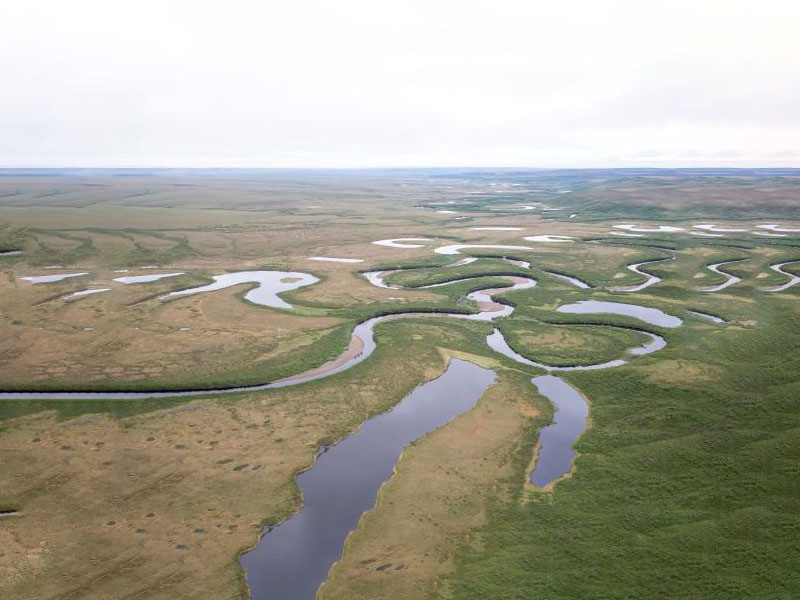
The federal government just broke significant records in Alaska. The Department of the Interior held a massive oil and gas lease sale. This historic event took place on March 18, 2026. Officials opened the National Petroleum Reserve in Alaska to corporate bidders. The sale generated a total of $163,696,722 in receipts. This marks the very first lease sale in this region since 2019. It represents a major shift in federal energy policy. The Historic Alaska Oil Sale.
The Bureau of Land Management managed the entire auction process. The final results surprised many seasoned industry experts. The auction set a brand new high for total revenue. Bidders also claimed the second-highest amount of acreage in a single sale. The reserve spans a massive and wild area. The federal government firmly controls these vital lands. Oil companies showed incredible interest during the bidding. The government officially calls this auction a historic success. The financial numbers clearly validate their aggressive economic approach.
The Scope of the Bidding Process
Federal officials offered 625 different tracts of land. These tracts cover roughly 5.5 million acres of pristine wilderness. Eleven major energy companies participated in the high-stakes auction. These powerful companies submitted incredibly aggressive financial bids. They successfully won 187 specific lease tracts during the event. The winning bids cover exactly 1,334,967 acres of land. Energy executives see vast financial potential beneath the frozen permafrost. They plan to extract crude oil and natural gas rapidly. The Bureau of Land Management will process these new leases quickly.
The federal agency desperately wants to accelerate domestic energy production. Environmental critics are deeply concerned about the unusually rapid pace of bureaucratic decision-making. Industry supporters loudly praise the highly efficient government process. The lease tracts are in a remote, harsh Arctic environment. Companies need highly advanced technology to operate safely here. The winter months bring total darkness and extreme cold weather. Yet, the promise of fossil fuels drives these corporations forward.
Direct Impact on Native Communities
This specific land holds deep meaning for Native Alaskans. Native Alaskan tribes proudly call the North Slope their home. Native people have lived here for thousands of years. The 23-million-acre reserve covers their sacred ancestral hunting grounds. Federal law strictly requires financial profit sharing with the locals. The State of Alaska will receive nearly $82 million. This amount represents exactly 50% of the total bid receipts. The government channels a portion of this money locally. The National Petroleum Reserve in Alaska Impact Mitigation program handles these funds. This specific federal program directly benefits the North Slope communities. Tribal leaders watch these new developments very closely. They balance urgent economic needs with vital cultural preservation. Oil money builds new schools, health clinics, and modern infrastructure. However, massive industrial development changes the natural landscape forever. The Native voice remains absolutely crucial in these ongoing corporate discussions.
The Political Catalyst and Leadership
President Donald J. Trump championed this massive land sale. His administration aggressively pushed the One Big Beautiful Bill Act. Congress passed this major energy legislation very recently. This new law strongly mandates aggressive domestic energy development. The March 2026 sale serves as the first major test. Secretary of the Interior Doug Burgum publicly praised the results. He highlighted the vital strategic role of the petroleum reserve. Burgum claims the sale drastically strengthens American energy security. He firmly says it fuels economic growth across all of Alaska. Burgum reminded the American public about the reserve’s original purpose. The government originally created the reserve to support national energy needs. Burgum believes the sale perfectly aligns responsible development with this purpose. He proudly promised that new revenues would bolster local communities. He also expects oil companies to create thousands of good-paying jobs.
Reversing Prior Environmental Restrictions
The current presidential administration has dramatically changed the old rules. Executive Order 14153 sparked these incredibly swift bureaucratic changes. Secretary’s Order 3422 also played a very key role here. Officials began unlocking the reserve’s energy potential in January 2025. They permanently threw out the highly restrictive 2024 rule. That older rule severely limited new drilling and corporate development. The federal government also withdrew three controversial policy documents. Those old documents imposed strict limitations in special environmental areas. Now, the Bureau of Land Management operates under a brand new plan. Officials officially approved an updated Integrated Activity Plan. This new plan reopens nearly 82% of the total reserve. Oil and gas companies can now legally lease this vast area. This sudden policy reversal shocked many environmental advocacy groups. Energy industry leaders loudly celebrated the new open-door policy.
Strict Legal Mandates for the Future
The One Big Beautiful Bill Act strictly dictates the future. The Bureau of Land Management faces rigorous new legal requirements. The federal agency cannot simply stop at one single sale. The law actively forces the government to hold more auctions. Officials must officially schedule at least five more lease sales. They must complete these mandatory sales by the year 2035. The law also sets a strict minimum size for these sales. Each future auction must offer massive amounts of public land. The government must offer no fewer than four million acres per sale. This mandate completely guarantees the continuous expansion of the oil industry here. The federal government locks in heavy development for the next decade. Energy companies can comfortably plan their long-term investments with absolute certainty. They know the government will provide more land soon.
A Deep History of Resource Extraction
The United States established this petroleum reserve early in the 20th century. Military leaders desperately wanted a secure oil supply for the Navy. Commercial oil leasing actually began much later in history. The Bureau of Land Management started holding regular sales in 1999. These lease sales have generated massive financial wealth over time. The federal government has successfully collected more than $457 million since 1999. This money supports the U.S. Treasury directly and consistently. It also provides absolutely critical funding for the State of Alaska. North Slope communities rely heavily on their share of these revenues. The recent sale dramatically increased the historical financial total. The $163 million figure represents a massive single-day jump. The financial stakes definitely grow larger every single year.
The Harsh Economic Reality for Alaska
Alaska depends heavily on the global oil and gas industry. Fossil fuels consistently fund the vast majority of the state budget. The $82 million payment provides immediate financial relief for lawmakers. State politicians use this crucial money for essential public services. The new corporate leases will also generate future tax revenue. Oil companies must pay state royalties on every barrel they extract. The industry brings thousands of outside workers to the frozen state. These specific jobs pay high wages and offer excellent health benefits. Many Native Alaskans work directly in the remote oil fields today. Local Native corporations also provide essential logistical support services. They operate local catering, professional security, and heavy transportation businesses. The economic ripple effect physically touches every single corner of Alaska.
The Energy Challenge of the New Era
Society currently lives and works in the XXI century. The modern world faces incredibly complex global energy challenges. International markets still demand massive amounts of raw crude oil. The United States desperately wants absolute and total energy independence. National politicians view the Alaskan reserve as a critical strategic asset. However, the harsh Arctic environment remains incredibly fragile today. Climate change affects the North Slope faster than anywhere else. Melting permafrost creates severe logistical nightmares for the oil companies. It also directly threatens traditional Native hunting grounds. Native Alaskans navigate this incredibly difficult reality every single day. These communities urgently need the modern economy to survive and thrive. They also deeply respect the sacred wild land of their ancestors. The federal government must manage this delicate balance very carefully.
Transparency and the Bureaucratic Process
The federal government loudly promises full transparency regarding these sales. The Bureau of Land Management maintains a highly detailed public record. Ordinary citizens can track exactly where the federal money goes. The agency published all official sale results online almost immediately. Interested parties can easily access a complete table of tract results. The government also provides highly detailed maps of the leased areas. Environmental researchers can easily download specific GIS shape files. This public data allows citizen watchdogs to monitor the regional development. The Bureau of Land Management Alaska Oil and Gas Lease Sales website hosts this information. Transparency strongly helps build vital trust with the local communities. Everyone can clearly see which specific companies bought which lands.
The Long Road from Lease to Extraction
A successful lease sale is only the first step. Companies do not start drilling for oil the very next day. They must complete rigorous environmental reviews before breaking ground. Petroleum engineers must first conduct detailed underground seismic surveys. They need to map the hidden oil reservoirs with incredible accuracy. Exploratory drilling requires a massive upfront corporate capital investment. The harsh Arctic winter severely limits the actual operational season. Companies build temporary ice roads to protect the fragile green tundra. They only move heavy industrial equipment during the coldest freezing months. Bringing a brand new oil field online takes several long years. The oil from these 2026 leases might not flow immediately. The oil industry definitely plays a very long game in Alaska.
Environmental Stewardship and Corporate Responsibility
Energy companies carry a massive daily burden of responsibility. They must actively protect the fragile ecosystem during their operations. Federal regulators will monitor their every single move very carefully. The Bureau of Land Management employs strict field environmental inspectors. These dedicated agents visit the remote drilling sites quite regularly. They actively check for dangerous oil spills and toxic chemical leaks. Regulators impose massive fines for any deliberate environmental violations. Oil spills utterly ruin pristine drinking water sources. Toxic chemicals can quickly destroy the vital local fish populations. Native communities depend heavily on these natural food sources daily. Corporate executives constantly promise to use the safest drilling technologies. They claim that modern methods effectively prevent environmental disasters. The public must hold them strictly to these high corporate promises.
Preserving the Native Voice and Heritage
Observers watch these political events incredibly carefully. Federal press releases merely celebrate total dollars and raw acres. They rarely capture the rich smell of the summer tundra. They completely miss the sound of migrating caribou herds. The $163 million figure sounds highly impressive on a spreadsheet. Yet, money cannot easily replace a permanently damaged natural ecosystem. Tribal leaders must hold these giant corporations fully accountable. The Impact Mitigation program must truly benefit the Native people. Native groups rightfully demand a permanent seat at every major decision-making table. The government cannot simply take the underground oil and leave the communities behind. Indigenous leaders demand deep respect for their sovereignty and their sacred land. The new era requires a completely new kind of equal partnership.
A Decisive Moment for the North Slope
The March 2026 lease sale unequivocally marks a major turning point. The federal government fully embraced rapid oil extraction once again. The One Big Beautiful Bill Act legally guarantees more future drilling. Eleven major companies now securely hold the rights to 1.3 million acres. The State of Alaska eagerly awaits its large $82 million check. The North Slope will soon see an enormous influx of new equipment. The local landscape will inevitably change over the coming years. America secures more domestic energy for its immediate national future. Native communities actively prepare for the next massive wave of industrialization. The long story of the National Petroleum Reserve continues to unfold. The nation will closely bear witness to every single change.
More news: The United States and Japan Expand Their Strategic Alliance: new $40B investment wave
More news: U.S. Department of the Interior
