


The global thirst for energy dictates the relentless pace of modern industry, forcing multinational corporations to gaze far beyond the visible horizon. As the entire world navigates the shifting economic complexities , the fundamental demand for all forms of power continues its relentless upward trajectory.
Energy companies face a truly monumental task, as they must secure the resources of tomorrow while simultaneously satisfying the insatiable consumption levels of today. This harsh operational reality demands constant technical innovation, pushing brilliant geologists and structural engineers to explore the most unforgiving, hostile environments on the planet. From deepwater ocean trenches to remote, storm-battered offshore blocks, the search for fuel never truly ceases.
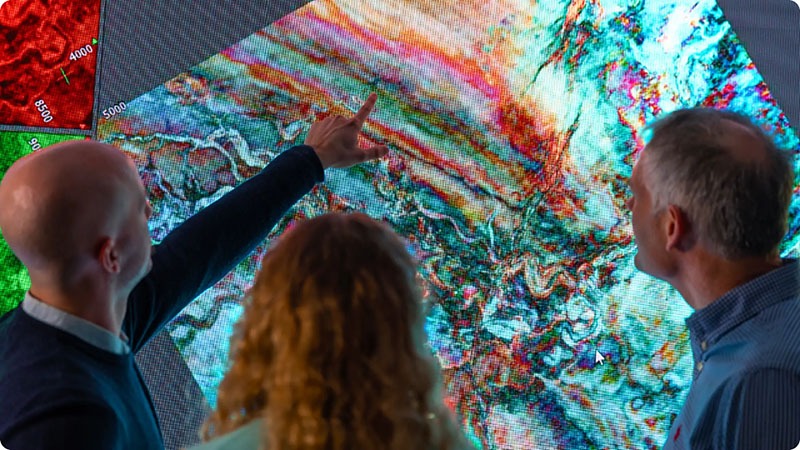
Beneath the crashing ocean waves and thick, dense layers of the seabed floor, vast reservoirs of vital hydrocarbons remain trapped in ancient rock formations. For several decades, established industry leaders have deployed specialized armies of highly trained professionals to uncover these hidden geological treasures. These uniquely skilled geophysicists act as modern-day subsurface detectives, actively searching for elusive acoustic patterns within sedimentary layers that originally formed millions of years ago. Through the meticulous application of cutting-edge seismic technology and immense computational power, these dedicated teams convert abstract data points into highly actionable intelligence. They precisely map out hidden structural faults and deep fluid traps that hold the ultimate key to future global power generation.
This ongoing, high-stakes quest for energy requires monumental financial investments and a resolute strategic vision that spans across multiple decades. The functional timeline separating the initial discovery of an oil or gas field from its actual commercial production phase often stretches across many long years.
Consequently, energy producers must proactively maintain a robust, continuous pipeline of successful exploration discoveries to guarantee an uninterrupted supply of fuel for the global market. The sheer scale of these mega-projects requires immense corporate foresight, ensuring that the heavy capital expenditure of today directly translates into the reliable energy security of tomorrow.
The Resurgence of Hydrocarbon Exploration
Recent operational results demonstrate a significant revival in successful global exploration efforts. One major energy corporation experienced an exceptional period of discovery recently. This multinational company recorded exactly 12 major offshore discoveries throughout the year 2025. Furthermore, active exploration teams successfully found two more highly viable sites early in 2026.
These impressive scientific achievements span across highly diverse and technically challenging geographical locations. Successful deepwater drilling operations occurred in the Gulf of America, Trinidad, and Egypt. Further major subsurface finds happened off the coasts of Namibia and Angola. The complex African discoveries materialized through a highly effective corporate partnership called Azule Energy. Eni and BP operate this specific international joint venture on a strict 50:50 basis.
Energy firms measure their overall long-term financial viability using a highly specific industry metric. Financial analysts call this critical performance measure the reserves replacement ratio. This standard corporate ratio compares newly added subsurface resources against the total volume of extracted hydrocarbons. The company aims to achieve a full 100% replacement ratio by the very end of 2027. Global exploration operations last year yielded a highly impressive 90% ratio.
This specific statistical figure represents a sharp, incredibly positive rise for the corporation. The company previously recorded a much lower ratio of roughly 50% during the 2023-2024 operating period. This dramatic statistical improvement clearly showcases the undeniable effectiveness of modern exploration strategies. Better imaging technology directly fuels consistently higher deepwater drilling success rates globally.
Cracking the Subsurface Code in South America
The recent Brazilian deepwater operation provides a perfect example of modern exploration success. Project managers officially gave this specific offshore site the name Bumerangue. Industry experts classify this massive find as the largest BP discovery in 25 years. The initial exploration phase relied almost exclusively on advanced seismic imaging. Expert geologists analyzed these acoustic images to map the complex subsurface structures.
This specific marine region presents enormous technical challenges for offshore exploration teams. Massive deposits of highly pressurized oil and gas sit beneath incredibly thick layers of salt. Dense, ancient rock formations also heavily cover the targeted deep geological resources. These deep physical barriers severely distort standard seismic wave signals during exploration. Software engineers applied advanced computational processing techniques to overcome this severe acoustic interference. High-quality acoustic analysis eventually narrowed down the precise physical location of the richest deposits.
The energy firm originally secured the high-graded exploration block during a 2022 bidding process. Further scientific investigation helped determine the exact geographical placement for the initial exploration well. Experts compare this extreme engineering precision to placing a single lamppost inside central London. During 2025, the completed deepwater well yielded critically important physical borehole samples. These actual physical rock samples strongly validated the earlier digital seismic predictions. Initial corporate calculations estimate approximately 8 billion barrels of liquids exist at the site. A much more detailed appraisal process will further refine these already massive production numbers.
The Complex Mechanics of Advanced Seismic Imaging
Seismic imaging serves as the absolute foundational capability for all modern hydrocarbon exploration. This complex acoustic technology actively dictates major offshore drilling decisions around the entire globe. Specialized marine vessels send powerful, low-frequency sound waves deep below the dark ocean seabed. Sophisticated underwater sensors then capture the faint acoustic reflections that bounce back toward the surface. Advanced computer algorithms process these returning data signals to comprehensively map the hidden geological layers.
Massive onshore data centers utilize high-performance compute systems to handle the staggering digital information volume. Subsurface engineering teams painstakingly analyze the resulting three-dimensional structural models. These high-resolution models highlight potential subsurface traps where valuable hydrocarbons might naturally pool together. Constant digital infrastructure upgrades keep energy companies firmly at the forefront of this vital technology. Dedicated executive leadership and highly skilled technical personnel drive continuous technological innovation within the energy sector. Programming teams constantly push the established boundaries of what modern imaging software can actively achieve.
The entire mapping process requires a fully integrated view of multiple complex scientific disciplines. Highly trained geologists first identify the specific physical types of rock formations present deep underground. Reservoir engineers then accurately calculate the potential subsurface pressure dynamics and complex fluid movements. Petrophysicists closely study the exact physical and chemical properties of the surrounding geological rocks. Together, they successfully turn raw acoustic data into clear, actionable operational insights for drilling teams.
A Crucial Proving Ground for Global Technology
Scientific knowledge gained in one distinct geographical region often solves complex technical problems in another. The Gulf of America serves as a truly vital testing proving ground for new imaging technologies. This specific region features incredibly complex and historically demanding underwater geological fault structures. The highly challenging marine environment actively forces engineers to develop highly innovative, custom software imaging solutions. The area currently remains one of the most highly competitive offshore exploration zones worldwide.
Technology companies constantly refine their digital processing algorithms while operating in these difficult offshore waters. Sharper seismic imaging allows drilling teams to clearly visualize deep structural channels before operations ever commence. Better subsurface visibility dramatically reduces the immense financial risks inherently associated with dry exploration wells. The practical lessons successfully learned here directly impact future operations across the entire global corporate portfolio.
Exploration teams actively apply these highly advanced analytical methods to many other distant international ocean basins. The Egyptian offshore sectors benefit immensely from these newly enhanced structural visualization tools. The vital Caspian region also sees drastically improved exploration drilling results from this transferred computational technology. Offshore operations in Trinidad effectively utilize the exact same high-performance computing approaches developed originally elsewhere. Continued drilling success in the Gulf of America builds exceptionally strong confidence for major global investment decisions.
Transitioning From Initial Discovery to Production Reality
Locating massive underwater hydrocarbon deposits represents merely the very first step in the entire extraction process. Extensive, highly detailed appraisal work must immediately follow every single successful initial deepwater drill. Geophysics teams must quickly turn early geological clues into a fully complete, comprehensive picture of the resource. This highly comprehensive digital picture subsequently guides all major future financial and operational management decisions. Multinational companies must allocate massive capital carefully across their vast, global operational development portfolios.
Not every confirmed oil discovery automatically advances to the final lucrative commercial production phase. Project development specialists evaluate each individual find using extremely rigorous, unyielding corporate financial criteria. Corporate planners carefully analyze the overall scale and specific physical characteristics of the complex underground reservoir. The offshore site must demonstrate exceedingly strong competitive potential to justify the massive upcoming development costs. Management teams carefully select only the most economically robust prospects for expensive future platform development.
Once corporate executives finally approve a site, the extremely long journey toward physical extraction formally begins. The standard project timeline spanning from initial scientific discovery to first commercial oil covers multiple years. Engineering companies must independently design, construct, and carefully deploy massive, floating offshore production platforms. One major company successfully initiated exactly seven major new offshore projects during the year 2025. These combined high-tech facilities predictably generate around 150,000 barrels of oil equivalent per day. This specific industry metric accurately measures the combined net peak production capacity of the new corporate assets.
Securing the Complex Energy Supply of Tomorrow
The modern global economy absolutely requires a steady, intensely reliable flow of abundant daily energy. Major energy producers actively build their offshore project pipelines to ensure continuous future commercial extraction operations. The heavy financial commitment to deepwater scientific exploration guarantees a highly stable fuel supply for decades to come. Through the year 2030, corporate leadership officially approved the incredibly costly development of nine additional new projects.
These upcoming offshore facilities will strictly maintain the critically necessary global daily energy production volumes. They will permanently replace older, aging oil fields that naturally deplete over long, extended periods of time. The seamless integration of deep technical expertise and modern digital innovation strongly drives this ongoing corporate success. High-quality seismic data routinely prevents terribly costly operational mistakes in the incredibly unforgiving offshore deepwater environment.
The current days will undoubtedly see further incredible advances in global resource extraction technology. Driven energy companies will inevitably locate deep marine resources previously deemed completely inaccessible by older, outdated standards. The brilliant combination of human engineering minds and advanced computing power strongly guarantees continued global industry progress. Dedicated energy firms remain completely committed to actively delivering necessary power to the entire modern world. They successfully secure the vital energy of tomorrow by exploring the hidden ocean depths today.
More News: Jobs Report Highlights Mining, Quarrying, and Oil and Gas Extraction Boom
More: bp
