


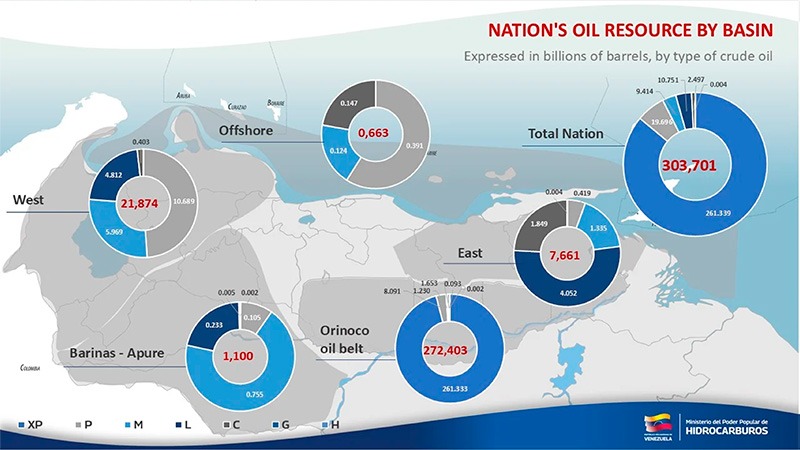
Political shifts in January 2026 transformed the energy landscape in Venezuela. A major symposium in Houston, hosted by the American Association of Petroleum Geologists (AAPG) and originally reported by Emily Smith Llinas, recently highlighted this unprecedented transition.
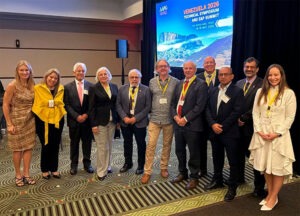
The summit gathered geologists, executives, and international officials to discuss exploration and production prospects. Registrations surged dramatically, jumping from 150 to 350 attendees within just four days. This overwhelming interest underscored the eagerness of global investors to re-enter a market possessing the largest oil reserves worldwide. Experts dedicated the first day strictly to geology and hydrocarbon potential. The second day shifted focus toward contracts, infrastructure, and regulations necessary for foreign operations.
Ana Maria Goncalves, an event leader and native Venezuelan geologist, described the gathering as entirely historic. She emphasized that the nation features more than 150 years of petroleum history. This extensive timeline started with natural oil seeps at the Alquitrana Estate and evolved into today’s massive industrial capacity. Goncalves noted that the petroleum sector created an entire cultural ecosystem inside the country.
The industry generated universities, funded deep research, and trained multiple generations of specialized talent. Geologists, geophysicists, and engineers built their careers on this foundation. This deep technical culture makes the region particularly unique beyond just the raw production numbers. Professionals still offer substantial technical knowledge to the global energy community.
Legal and Economic Milestones
Recent legislative moves established a reliable framework for international engagement. The government passed the sweeping Organic Hydrocarbons Law in January 2026. The Mining Law quickly followed afterward in April. Authorities updated the general license architecture, evolving it progressively to create practical pathways for foreign capital. A prominent delegation of 14 government officials attended the Houston summit.
This group included the vice minister of hydrocarbons and the president of the Venezuelan Petroleum Technology Institute. Attendees crowded meeting rooms to speak with the state representatives. The delegation held select meetings and expressed a strong willingness to continue these technical dialogues in Caracas. These interactions mark a significant step toward normalizing commercial relations.
The inclusion of state officials at the conference sparked mixed reactions among attendees. Some participants expressed vocal concerns about government involvement. Others prioritized the immediate need for professional dialogue during this transitional phase. Officials acknowledged that navigating the upcoming business landscape requires immense curiosity rather than absolute certainty.
Experts warned about inevitable setbacks in the coming months. Market surprises will happen. Certain business deals will inevitably collapse. Technical challenges will emerge during site development. Despite these hurdles, operators target the tangible geology and the lucrative opportunities. Companies understand that overcoming these obstacles yields access to unparalleled resources. Long-term strategic planning ensures enduring success.
Rebuilding International Operations
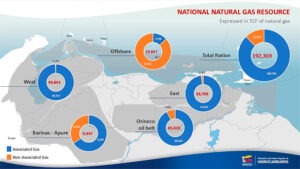
International energy companies currently deploy new capital to revitalize dormant infrastructure. Engineers from the region now collaborate closely with global counterparts to modernize outdated facilities. Diplomats execute crucial work to bridge previously impassable gaps between nations. These combined efforts generate significant momentum for the domestic energy sector.
The country expects a steady increase in production volume throughout the next calendar year. Market analysts project that efficiency improvements could boost output margins by at least 25% over the upcoming decade. Modern seismic imaging technologies allow exploration teams to identify fresh deposits accurately. The industry actively leverages these modern digital tools to maximize the extraction efficiency of mature oil and gas fields.
Stakeholders view this transitional phase as a fundamental renaissance rather than a simple recovery. The event clearly demonstrated the complex realities of an evolving marketplace. Decision-makers must look beyond the difficult periods of recent history. Analysts urge investors to evaluate the territory based on its future opportunities and immense geological wealth.
The renewed professional connections span multiple generations of technical experts. A robust strategy requires patience and an honest assessment of current limitations. Optimism persists, but leaders ground their expectations in observable data and concrete legal reforms. The nation firmly reestablishes its historical position as a central pillar of the global energy supply chain.
More news: The Mechanics of Modern Power
More: AAPG
