


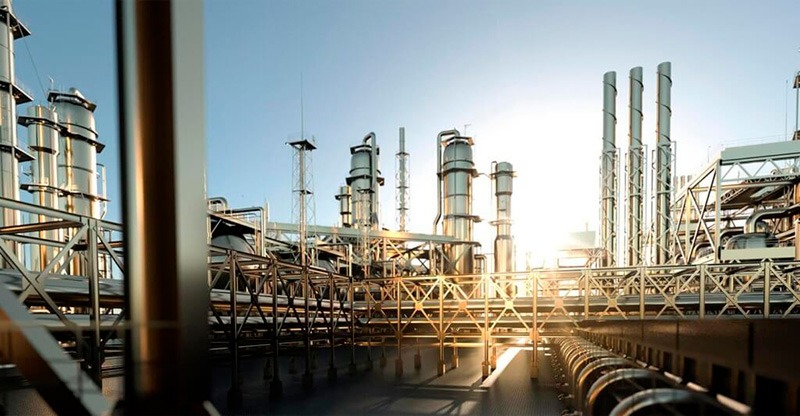
The maritime industry faces a massive challenge to reduce greenhouse gas emissions. Perpetual Next and Clarksons recently formed a strategic partnership to supply biomethanol to global shipping fleets. This collaboration accelerates the transition away from fossil fuels. The shipping sector generates nearly 3% of global carbon emissions annually. Industry leaders recognize the urgent need for cleaner alternatives.
A Strategic Alliance for Maritime Decarbonization
Perpetual Next brings advanced production capabilities to the table. The company specializes in converting organic waste into high-quality biomethanol. Clarksons offers unparalleled expertise in maritime logistics and global shipbroking. The firm manages extensive networks across the shipping industry. Together, these two entities create a robust supply chain for sustainable marine fuels. Vessel operators now have a reliable pathway to source green fuels. This alliance bridges the gap between producers and maritime consumers who need clean energy solutions to meet 2030 environmental targets.
Clarksons provides critical market intelligence to support this biomethanol initiative. Analysts report that shipowners placed orders for over 250 methanol-fueled vessels just this year. This growing fleet requires approximately 6.7 million tons of green methanol annually to operate efficiently. Perpetual Next steps up to meet this rising demand with its innovative technology. The company develops multiple production facilities across Europe to scale up output. The primary plant alone boasts a production capacity of 220,000 tons per year. By integrating Clarksons’ massive client base with Perpetual Next’s production volume, the partnership guarantees long-term off-take agreements. Shipowners secure their fuel supply, while producers gain the financial certainty they need to expand operations. This synergy sets a powerful precedent for future renewable energy ventures in the maritime domain.
Market Demand and Production Capacity
Regulatory frameworks actively push the maritime sector toward sustainable operations. The European Union recently introduced new carbon pricing mechanisms that penalize heavy polluters. These regulations force shipowners to abandon traditional diesel and heavy fuel oil. Biomethanol emerges as a highly viable alternative because it integrates seamlessly with existing ship engine designs. Marine engineers only need to make minor modifications to allow vessels to run on this green fuel. Perpetual Next utilizes an advanced carbonization process to create this energy source from forestry and agricultural residues. This method prevents organic waste from decaying and releasing harmful methane into the atmosphere. The production cycle, therefore, serves a dual environmental purpose. Clarksons actively educates fleet managers about these practical benefits. The brokerage firm facilitates discussions between fuel producers and major shipping lines to accelerate widespread adoption across global trade routes.
Perpetual Next commits significant capital to expand its biomethanol infrastructure. The company identifies strategic port locations to build new processing plants. These facilities convert local biomass into high-grade maritime fuel. Clarksons leverages its industry data to pinpoint optimal distribution hubs. This targeted approach reduces transportation costs and minimizes logistical bottlenecks. The partnership successfully streamlines the entire green fuel supply chain. Investors show strong interest in these scalable renewable energy projects. Current market projections indicate a massive surge in biomethanol consumption. Experts predict a 400% increase in demand by the year 2030. Shipping companies desperately want to secure their future fuel supplies now. Clarksons uses its global reach to match these buyers with Perpetual Next. This dynamic creates a stable and predictable market for green methanol.
Environmental Impact and Future Prospects
Replacing fossil fuels with biomethanol significantly reduces greenhouse gas emissions. This renewable alternative cuts carbon output by up to 90% compared to conventional oil. The maritime industry desperately needs this reduction to meet global climate goals. Perpetual Next guarantees that its production methods remain fully sustainable. The company sources raw materials exclusively from certified organic waste streams. This strict sourcing policy prevents any negative impact on food production. Vessels burning this fuel also emit zero sulfur oxides during their voyages. Nitrogen oxide emissions plummet dramatically when ships switch to biomethanol. These environmental benefits directly improve air quality around major international ports. Clarksons actively promotes these statistics to encourage faster industry transition. Vessel owners clearly see the long-term value in upgrading their fleets.
This strategic partnership marks a major milestone for maritime sustainability. Perpetual Next and Clarksons demonstrate how collaboration accelerates environmental progress. The alliance provides a clear blueprint for other industry players to follow. Shipbuilders have already adapted their new designs to accommodate biomethanol storage tanks. Engine manufacturers continuously improve the efficiency of their dual-fuel propulsion systems. The entire maritime ecosystem slowly aligns with these green energy innovations. Perpetual Next plans to double its production capacity within 5 years. Clarksons will continuously expand its fuel brokerage services to match this growth. Together, they drive the maritime sector toward a completely carbon-neutral future. This unified effort guarantees cleaner oceans for the XXII century. The global shipping industry finally embraces a truly sustainable operational model.
More news: Autumn Fisher: Local Talent Takes the Spotlight
More: Perpetual Next
