


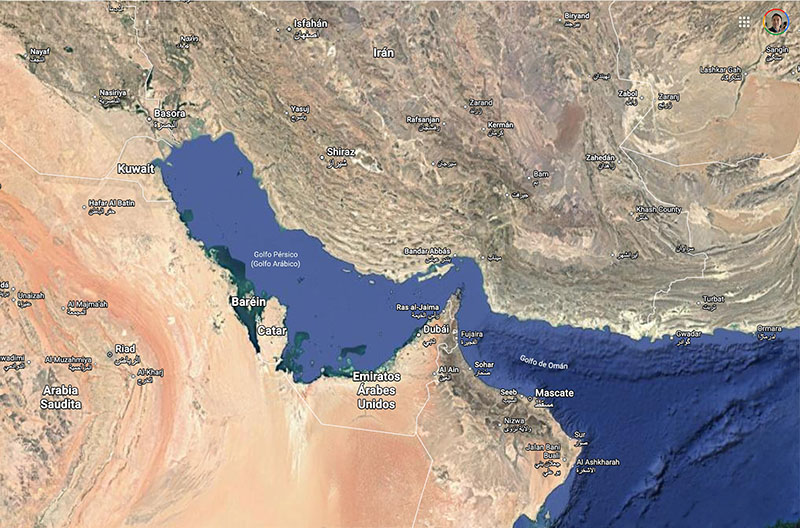
The signing of the memorandum in mid-June promises to reactivate the Strait of Hormuz, the world’s most critical maritime artery. However, for the industrial sector worldwide, the initial euphoria is deceptive.
The return to commercial normality will not be immediate, but rather an exceptionally burdensome transition process. The abrupt logistical interruption left operational scars that will irrevocably alter the structure of global production costs for the coming years.
Logistical Abyss and Corporate Insurance
Before the armed conflict, twenty million barrels of crude oil and one-fifth of global liquefied natural gas transited this passage daily. Today, recovering those export volumes clashes with harsh reality. The seabed is densely mined, and naval experts estimate that uninterrupted sweeping operations will take between forty and fifty days. No shipowner will risk their vessels without first obtaining an official and rigorous explosive-free route certification.
Adding to this massive physical bottleneck is the insurance crisis. War risk premiums skyrocketed to an unsustainable four percent of the vessel’s value for a seven-day transit. For a modern supertanker valued at three hundred million dollars, this represents a liquid disbursement of twelve million in insurance alone. This brutal increase in freight costs will mathematically transfer to the industrial consumer’s energy bill, compressing profit margins.
Sustained Structural Damage to Manufacturing
The operational impact far transcends the international crude market. The vast Persian Gulf functions as the primary supply hub for basic chemicals, resins, and essential agricultural nutrients. The sudden cessation of operations trapped nearly four hundred seventy thousand containers and paralyzed key exports.
The outlook is particularly critical for the liquefied natural gas market. The bombings on the industrial city of Ras Laffan in Qatar irreversibly destroyed seventeen percent of its liquefaction capacity. Engineers calculate that recovery will require between three and five years of large-scale reconstruction. This means a fraction of energy will remain off the market until the end of the decade, condemning industrial zones, especially in Europe and Asia, to endure high operating costs and a severe imminent risk of technical deindustrialization.
Simultaneously, the prolonged paralysis in the ocean transport of basic fertilizers seriously compromises the global agro-industry. With phosphate shipments reduced by thirty percent and a urea shortage, the yields of upcoming global harvests are under direct threat. This paves the way for an inflationary food crisis that will strongly impact consumer price indices in the short term.
Route Reconfiguration and Geopolitics
To maintain the flow of goods, the shipping industry absorbed the blow by diverting fleets around southern Africa, adding fourteen days of transit and depleting ten percent of effective global capacity. Even if the strait officially reopens, untangling this complex logistical knot and clearing saturated secondary ports will take several months of coordinated effort. Currently, direct maritime rates from Asia to the Americas continue to operate seventy-five percent above standard levels.
In addition to the technical challenge, the political agreement carries a profound geopolitical cost. Although an initial sixty days of free transit were agreed upon, there is an official threat that regional authorities will impose structured tolls exceeding one million dollars per vessel. Such a measure would transform the international right of maritime passage, adding a financial risk premium to every exported container. Lean supply chains are dead; inventory redundancy is now the only valid and sensible business strategy.
A New Paradigm in Strategic Planning
For chief executive officers and engineers in charge of production lines, the imminent reopening does not mean a return to past comfort. This event forces boards of directors to completely rethink their level of risk exposure in their global supply network. Achieving true resilience demands drastically accelerating diversification projects, seeking closer and safer suppliers, even if they represent higher capital expenditures.
The deep corporate dependence on a single geostrategic maritime route undeniably proved to be the most dangerous point of failure in the modern economy. Foreign trade will not stop, but its baseline operational cost has undergone a permanent readjustment. Companies must urgently adapt their business models to absorb exorbitant insurance, prolonged procurement times, and chronically expensive industrial inputs internationally. The rules of industrial trade have changed forever, demanding technological innovation and advanced logistics to compete successfully.
More news: Energy Investment Reaches Record Highs in 2026
More: Energy & Commerce
