


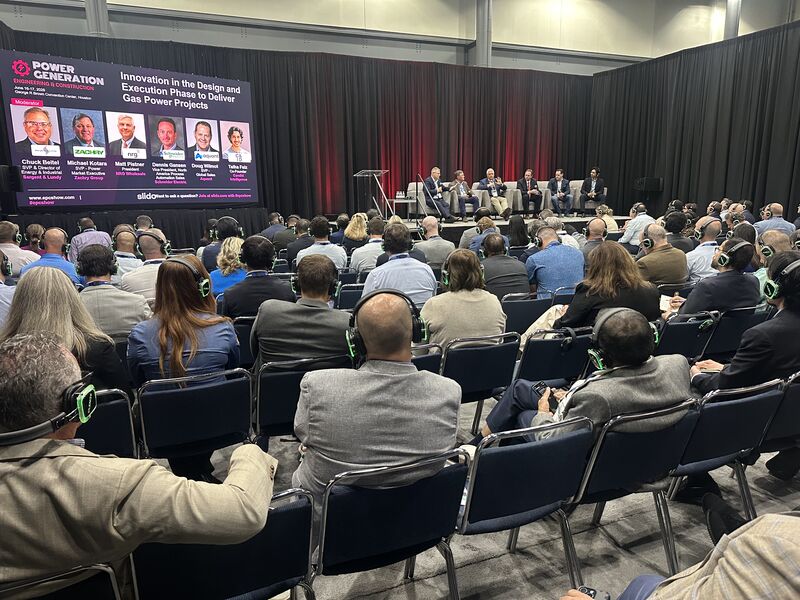
The North American energy sector navigated an unprecedented infrastructure supercycle during the Energy Projects Conference & Expo NA 2026. Rapid decarbonization mandates, massive industrial reshoring, and surging artificial intelligence power demands drove this rapid transformation. Within this volatile environment, the summit anchored strategic capital allocation. The massive event was convened at the George R. Brown Convention Center in Houston, Texas.
High-level decision-makers gathered to manage more than $200 billion in active and proposed capital expenditures. Organizers welcomed over 10,000 attendees, 400 exhibitors, and 250 expert speakers. These seasoned professionals operated across five core tracks: LNG Export, Power Generation, Nuclear Power, Petrochemicals, and Midstream Engineering. Industry leaders tackled immense systemic constraints during the intense two-day event. Severe craft labor shortages, stubborn supply chain bottlenecks, and complex regulatory frameworks threatened megaproject viability.
The massive scale of this influential tradeshow highlighted the eroding boundaries between traditional fossil fuels and clean energy deployment. Developers who constructed next-generation nuclear reactors faced identical supply chain hurdles as operators who built cross-country pipelines. The strategic summit facilitated crucial cross-pollination among these historically distinct verticals. Project owners and major engineering contractors prioritized real-world execution strategies over theoretical policy discussions. A staggering 11,000 kilometers of planned midstream pipelines required precise logistical coordination.
Meanwhile, the nuclear sector raced to deploy 35 GW of new zero-carbon capacity by 2035. Institutional investors used the venue to debate modern risk-sharing financial models. Traditional lump-sum turnkey contracts frequently failed under intense inflationary pressures. Consequently, major stakeholders pivoted toward collaborative joint ventures to distribute commercial risk equitably. These innovative financial structures protected long-term project viability and prevented catastrophic contractor write-downs.
Corporate Consolidation Drove Rapid Expansion
The explosive growth of the summit perfectly mirrored the underlying vitality of the domestic infrastructure market. Founder Josh Bull launched the event just three years ago as a modest hotel gathering. Initially, the comprehensive agenda focused exclusively on the LNG export sector. Since then, the conference consistently doubled in size during each subsequent edition. This rapid institutionalization caught the attention of major global event organizers.
In late 2025, the Brussels-based firm Easyfairs officially acquired the lucrative property. This high-profile transaction represented the first major United States acquisition for the European company. Private equity firm Cobepa actively backed the extensive Easyfairs portfolio and supported this strategic transcontinental expansion. The acquisition rationale targeted the highly lucrative North American energy events sector during a period of massive capital mobilization.
Easyfairs executives planned aggressive expansion strategies for the newly acquired platform. Group CEO Matt Benyon and Head of M&A Arnaud Istas leveraged their operational expertise to scale the format. They aimed to deepen the technical content across the five existing sub-segments. Furthermore, corporate leadership intended to clone the successful event model into other global energy hubs. Despite the international acquisition, the original leadership team remained completely intact.
Organizers retained strict control over the highly curated agenda. Project owners and active operators exclusively composed the influential advisory boards. Vendors paid $1,495 for standard conference passes. However, qualified project owners received complimentary registration. This bifurcated pricing structure fostered direct collaboration between genuine decision-makers. A specialized matchmaking system paired solution providers directly with executives who held active procurement mandates.
Surging Power Demands Strained Existing Grids
The Power Generation track confronted an escalating crisis regarding time to power. The United States faced a massive structural spike in base-load electricity demand. Hyperscale data centers required enormous power volumes to sustain artificial intelligence computing. Broad vehicle electrification and domestic manufacturing reshoring amplified this intense grid strain. Existing transmission infrastructure simply lacked the capacity to accommodate this sudden load growth.
Regional transmission planning lagged significantly behind rapid data center deployment schedules. Hyperscale operators from Google and CyrusOne outlined bespoke generation strategies to bypass these bottlenecks. They increasingly co-located new data facilities directly adjacent to gas-fired or nuclear plants. These exclusive arrangements generated complex regulatory disputes regarding local ratepayer protections. Utilities scrambled to structure equitable agreements that maintained overall grid reliability. The industry desperately sought solutions.
Severe supply chain constraints further complicated the delivery of necessary power infrastructure. The global market experienced intense competition for high-voltage transformers and switchgear equipment. Turbomachinery manufacturers stretched their production capabilities to the absolute limit. Original equipment manufacturers engaged directly with project developers to establish strategic partnerships. Siemens Energy executives led critical discussions on navigating these unprecedented equipment demands.
Experts advised developers to utilize multi-scenario planning and aggressive risk hedging. Traditional transactional procurement models failed consistently in this volatile market environment. Project owners forged deep, long-term partnerships with suppliers to guarantee component delivery. Meanwhile, the petrochemical sector battled distinct challenges involving margin compression and stringent emissions mandates. Plant operators utilized advanced digital twins to optimize complex turnaround schedules. Efficiency dictated absolute market survival.
Advanced Engineering Mitigated Escalating Labor Risks
A severe craft labor shortage fundamentally altered construction methodologies across all sectors. The energy industry lost experienced tradespeople to rapid retirement cycles. Vocational pipelines failed to produce enough qualified workers to replace this aging workforce. This demographic crisis actively threatened execution schedules and inflated overall capital costs. Consequently, engineering firms pivoted aggressively toward extreme project modularization.
Contractors fabricated massive piping spools within highly controlled off-site environments. Logistics teams then transported these completed components directly to the final project locations. This strategy drastically reduced the need for expensive on-site labor. Off-site fabrication also improved overall safety metrics and accelerated tight project timelines. Specialty construction firms showcased advanced high-density polyethylene piping systems. These durable plastic components expedited field execution and minimized long-term maintenance requirements.
Technological innovation provided another crucial tool to combat workforce deficits. Schneider Electric introduced sophisticated software-defined automation platforms to the industrial market. These adaptive systems decoupled physical hardware from core digital functions. Plant managers updated operational protocols dynamically without executing massive physical equipment overhauls. Simultaneously, construction teams deployed artificial intelligence tools to monitor daily job site progress.
Automated drones and robotic systems detected schedule deviations instantaneously. Project managers executed proactive course corrections before minor delays compounded into multi-million-dollar disasters. Over 90% of global buyers demanded strict environmental transparency from infrastructure operators. The industry integrated sustainable practices to secure vital institutional financing. Ultimately, the 2026 conference proved that deep digital integration and collaborative execution separated successful megaprojects from costly failures.
More News: Hadron Energy Achieves Historic Regulatory Milestone for Microreactor Deployment
