


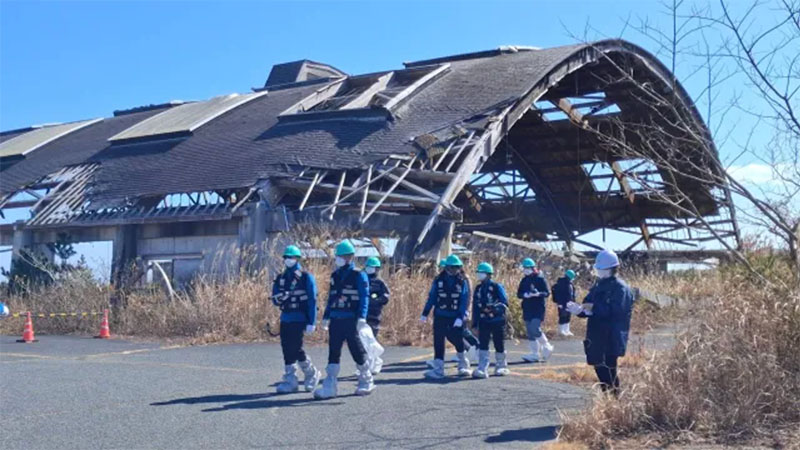
The International Atomic Energy Agency and the Japanese government recently organized two major training events in Fukushima. The Response and Assistance Network Capacity Building Center hosted these initiatives to strengthen global nuclear emergency responses. The Ministry of Foreign Affairs of Japan funded the programs to support Ukraine and enhance nuclear safety worldwide.
An agreement that leaders signed in December 2012 forms the foundation of this collaboration. Tanaka Kenichiro directs the International Nuclear Cooperation Division for the Japanese government. He stated that the events demonstrate an enduring partnership between the two entities. The training programs offer practical exercises, site visits, and international cooperation strategies. These elements help professionals handle severe radiological incidents. Experts agree that the XXI century requires robust frameworks to protect citizens during such crises.
The initial workshop occurred between March 2 and March 6 in 2026. The sessions focused on public communication standards during radiological emergencies. Instructors taught participants how to share factual information effectively while managing public panic. Trainees learned crucial audience analysis and message development techniques. The attendees also visited the Fukushima Daiichi Nuclear Power Station to observe real-world applications. Finally, they examined the Fukushima Prefectural Environmental Creation Center’s communication building.
Training for Crisis Communication
Twelve nations sent delegates to the communication workshop. These countries represent approximately 28% of the current Response and Assistance Network members. Participants included representatives from Ukraine, Ghana, Poland, and nine other nations. The professionals tackled modern communication challenges. Instructors highlighted the dangers of misinformation during disasters.
The attendees practiced their skills on a specialized social media simulation platform. This tabletop exercise tested their ability to publish accurate updates quickly. Tetiana Verbytska leads strategic communications for the Ukrainian nuclear safety center. She noted that the workshop provides concrete tools for emergency preparation. She praised Japan for demonstrating essential transparency.
Field Exercises Deliver Practical Experience
The agency organized a joint assistance team exercise from March 9 to March 13 in 2026. The drills simulated an international assistance mission under realistic field conditions. Twenty-one specialists traveled to Okuma town for two days of rigorous training. The 2011 nuclear accident deeply impacted this specific region. Field teams practiced critical environmental assessments at the Interim Storage Facility. Currently, 43 countries participate in the Response and Assistance Network. The network members guarantee 100% readiness to deploy expert assistance during emergencies.
During the exercise, specialists coordinated closely with local authorities. They collected data, produced consistent reports, and managed sudden logistical challenges. External experts provided vital advice from outside the simulated hazard zone. Amgad Shokr directs the Incident and Emergency Center. He emphasized that realistic conditions improve public protection strategies. He thanked Japanese authorities for delivering high-quality training.
Global Impact and Preparedness Networks
The Response and Assistance Network functions as a rapid deployment mechanism. Countries request specialized technical support through this global system. The network dispatches medical personnel, radiation monitors, and equipment immediately. The Incident and Emergency Center coordinates these international efforts.
The agency created this central hub to manage global crisis responses. The center handles accidents, negligence, and deliberate attacks with equal urgency. The Fukushima training proves that international cooperation saves lives. Participating states gain the experience necessary to handle future crises. They return home with advanced skills and refined strategies. Experts consider this training vital for XXI century nuclear safety.
