


The global oil and gas sector faces unprecedented volatility and rapid technological shifts. Companies must adapt quickly to survive; agility represents the ultimate survival tool for modern energy corporations.
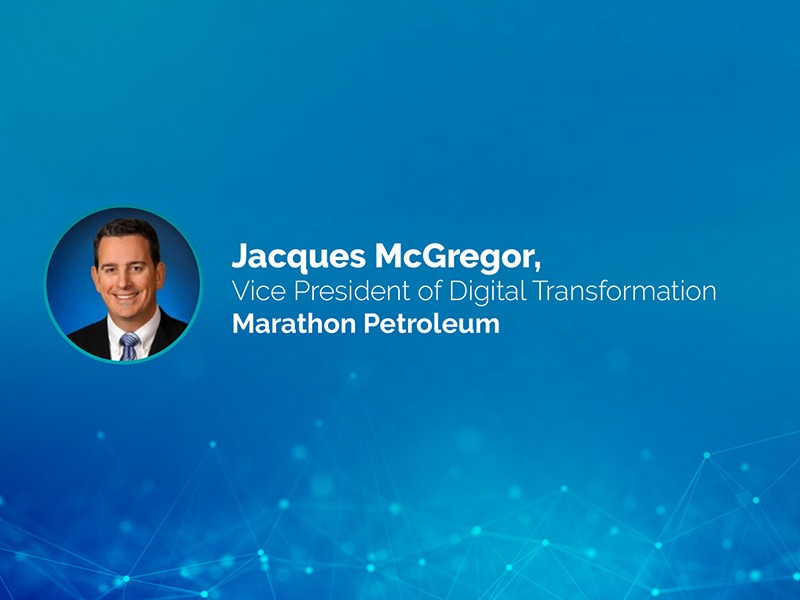
Marathon Petroleum stands at the forefront of this industrial transformation. Vice President of Digital Transformation Jacques McGregor detailed the corporate strategy at the Operational Excellence in Oil and Gas Summit. He explained how the organization pursues an enterprise-wide transformation to boost competitiveness and overall profitability. McGregor identified geographical uncertainty, technological breakthroughs, and multigenerational workforce expectations as the primary drivers redefining operational excellence.
Digital transformation efforts at Marathon Petroleum target the entire value chain. The transformation team reimagines critical business components through a digital lens. The primary goal centers on keeping the organization competitive and relevant. The company wants to deliver strong, consistent results for shareholders. Executives view digital capabilities as a top strategic priority for achieving these long-term objectives.
Navigating Geopolitical and Market Disruptions
Agility determines corporate survival today. Companies must respond instantly to new opportunities and sudden market disruptions. Geopolitical shifts shape the modern business environment. Tariffs and trade policies change constantly. The global market continues to shrink. Agility prevents organizations from remaining flat-footed during these crises.
In previous decades, domestic energy companies safely ignored international developments. Today, geopolitical changes directly impact local markets. They alter daily operations. Supply chain bottlenecks occur frequently. Market prices fluctuate wildly. At the same time, technology accelerates at an unprecedented pace. Organizations cannot ignore artificial intelligence. Leaders view artificial intelligence as a primary driver of corporate agility. Missing this technological wave represents a massive financial mistake.
Digital transformation unlocks tangible value across specific business areas. Marathon Petroleum targets three main categories. These include operating models, business models, and corporate services. The company considers its physical products fixed. Therefore, management focuses innovation efforts entirely on operational models and service delivery. The real challenge involves directing investments properly. Executives must determine which digital initiatives will deliver the greatest financial return. They analyze market trends carefully. This thorough analysis ensures maximum profitability and operational resilience.
The Danger of Digitizing Flawed Processes
Many global companies make a critical mistake during transformation efforts. They take an existing, inefficient process and simply digitize it, attaching artificial intelligence to a broken system. They add new software without fixing underlying structural issues. Industry reports suggest that nearly 70% of digital transformations fail without proper process optimization. McGregor strongly warns against this common approach. This method simply creates a digitized bad process.
The correct strategy requires comprehensive process optimization first. Teams must streamline operations before introducing new technology. Artificial intelligence definitely helps this streamlining phase. It easily identifies hidden operational inefficiencies. It supports the optimization phase directly. However, traditional methodologies still provide massive value.
Lean Six Sigma remains a powerful business tool. It delivers highly measurable corporate improvements. Companies use Lean Six Sigma to fix the core process first. Then, they layer artificial intelligence on top of the optimized system. This strategic combination amplifies the overall benefits. It creates a highly efficient, automated workflow. The results speak for themselves. Operations run faster and cost less. The entire enterprise becomes vastly more agile.
Selecting the Correct Artificial Intelligence
Many corporations blindly chase artificial intelligence. They implement the technology just to follow current market trends. McGregor firmly disagrees with this strategy. Companies often try to find a home for new tools without a clear purpose. A specific process might need artificial intelligence. A customer service call center might benefit greatly from automation. However, another department might not need it at all.
Executives must identify capabilities that truly move the needle. They must dedicate major investments to areas that generate actual value. First, leaders must define what success looks like. They establish a clear North Star for the project. Then, they build the right organizational structure. They determine decision rights and financial incentives. They hire the right talent and design efficient processes.
Only after completing these steps should managers consider artificial intelligence. If the technology fits, they must choose the correct flavor. Classical artificial intelligence excels at numerical prediction and data analysis. It analyzes historical data to forecast future trends. Generative artificial intelligence focuses on creating text and media content. It drafts complex engineering reports quickly. Agentic artificial intelligence streamlines and automates complex business processes. Companies should avoid artificial intelligence if these capabilities do not match their needs. They should not force a square peg into a round hole.
Empowering a Multigenerational Workforce
Workforce dynamics shift rapidly in the XXI century. Four distinct generations currently work together in the corporate environment. Experts project that millennials and Generation Z will make up over 60% of the workforce by the end of the decade. Each demographic group brings different needs to the office. They possess unique preferences and distinct technical skill sets.
Marathon Petroleum wants to leverage these diverse employee strengths. Management respects employee expectations for a modern work environment. Today, consumer technology sets a very high bar. People use incredible applications on their smartphones daily. Yet, workplace technology often falls short of these standards. Employees experience extreme frustration with outdated corporate software.
The company plans to close this technological gap. The transformation team creates a digital work experience that matches consumer sophistication. They design intuitive interfaces for daily corporate tasks. This approach satisfies employee expectations. It boosts overall morale and daily productivity. Workers adapt faster to new systems. They spend less time fighting clunky software. This seamless integration of technology improves the entire corporate culture. Employees focus on high-value tasks instead of administrative burdens.
The Critical Need for Business Acumen
Successful digital transformation requires specific employee skills. McGregor highlights business acumen as the most critical trait. Employees must truly understand how their company generates revenue. Surprisingly, many corporate workers lack this fundamental business knowledge. Effective team members understand the core revenue model perfectly. They know what customers value most. They comprehend how the business competes in the open market.
Transformation projects demand highly cross-functional teams. These groups need diverse, specialized skill sets. The ideal candidate possesses strong business experience. They also bring deep digital expertise to the table. Consulting backgrounds add immense value to the transformation team. Knowledge of lean succession planning remains highly sought after. Finding an employee with all these traits proves incredibly difficult. Industry insiders call these rare professionals unicorns.
However, these exceptional individuals do exist. Marathon Petroleum actively seeks out these multi-skilled experts who lead the most critical digital initiatives. They bridge the gap between technical teams and corporate management, translating complex technical concepts into clear business value. This translation ensures executive support for major projects. Strong business acumen prevents teams from building useless technology. It keeps every digital initiative focused on actual profitability.
Managing Organizational Change Saturation
Digital transformation inevitably introduces massive organizational change. Companies always generate plenty of good ideas. The real challenge involves prioritizing these initiatives thoughtfully. Leaders must sequence projects intentionally. They must understand the synergies between different digital programs. Careful planning prevents costly operational mistakes. It stops teams from making changes that require future reversal. Downstream impacts require careful consideration before software deployment.
Marathon Petroleum heavily focuses on proactive change management. The transformation team actively measures change saturation across the enterprise. Studies show that employee productivity drops by 40% when management introduces too many new software tools simultaneously. The team tracks exactly how many new initiatives hit each department. They monitor organizational shifts and software deployments concurrently. The team visualizes this data using corporate heat maps. These maps highlight operational areas with high saturation levels.
This visualization prevents employee burnout. Management might want to launch a new priority project immediately. However, the heat map might show a fully saturated business unit. In this scenario, launching the project guarantees operational failure. The timing simply proves wrong. The transformation team adjusts the schedule accordingly. They focus their resources on a different department instead. They wait until the saturated unit stabilizes completely. This careful pacing ensures high software adoption rates. It prevents change fatigue among the modern workforce.
Collaborating for Future Industry Success
The oil and gas sector continues its rapid digital evolution. Marathon Petroleum focuses its energy on the most critical corporate areas. The company aims to move the needle across the entire organization. This massive effort requires extensive internal collaboration. It demands significant employee upskilling and reskilling programs. Overcoming institutional resistance to change remains a constant daily battle.
Industry summits provide vital knowledge-sharing opportunities. Leaders gather to understand diverse approaches to common operational problems. They learn how competitors solve similar digital challenges. Executives frequently discover valuable insights during these professional events. They find great ideas and strong operational use cases. They discuss solutions generically without revealing sensitive corporate secrets.
The community aspect holds immense value for all summit participants. McGregor emphasizes the importance of giving back to the industry. He shares Marathon Petroleum’s high-level approaches publicly. This transparency helps grow the entire operational excellence community. The next major industry gathering occurs in Houston, Texas. The event runs from November 3 to 5, 2026. Over 300 industry leaders will explore smarter operational paths. They will align technology, processes, and people into cohesive corporate forces.
More news: Modern Metallurgy Propels Humanity Back to the Moon
