


The energy industry continually seeks innovative methods to extract resources efficiently from deepwater environments. Offshore oil and gas operations represent a significant portion of global energy production. Companies face massive logistical and financial challenges when they develop new offshore fields.
Constructing entirely new, stand-alone production platforms requires enormous capital investment and years of development. To solve this problem, engineers utilize a specialized infrastructure solution known as a subsea tieback. This technology fundamentally changes how energy corporations approach remote deepwater reservoirs.
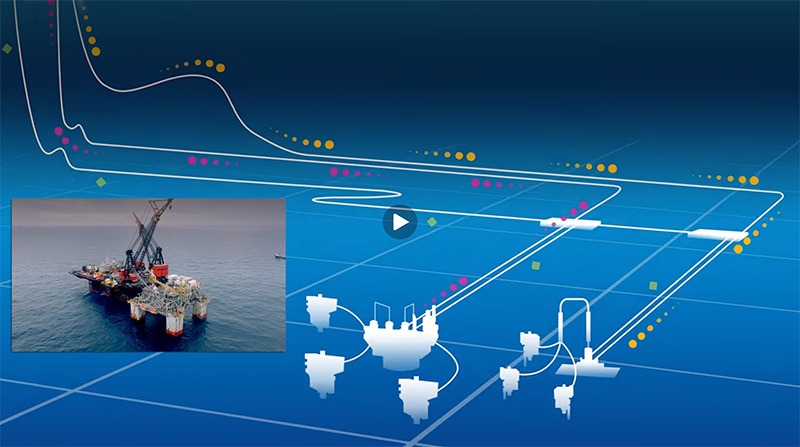
A subsea tieback connects newly discovered offshore oil and gas fields to existing production facilities. Engineers lay pipelines and other specialized infrastructure along the ocean floor to create this connection. This system allows extraction from remote or deep locations without building a new host platform. The technology efficiently links new commercial reservoirs directly to established infrastructure. Energy operators rely heavily on this method to maximize their current assets while simultaneously expanding their production capabilities.
Rick Kopps serves as a chapter manager of subsea controls and power at Chevron. He possesses over 30 years of experience working on subsea equipment. Kopps recently provided crucial technical support for a major offshore project in the Gulf of America. He emphasizes that tiebacks play an integral role in adding value and extending the operational life of offshore facilities. This process demonstrates how advanced engineering can optimize resource extraction while managing development costs.
Understanding the Subsea Tieback Mechanism
Workers drill new wells directly into the seabed to start the process. The energy company then installs specialized equipment on the ocean floor. This equipment effectively directs the hydrocarbon flow through a complex gathering system. Engineers often compare a subsea tieback to a simple garden hose. The hose runs from a water faucet directly to a garden. In this industrial context, the hose represents the pipeline infrastructure.
The resource reservoir acts as the faucet. The existing production facility functions as the final garden destination. Flowlines transport the extracted hydrocarbons across the ocean floor. These vital pipelines deliver the raw materials to a host platform. The host platform then performs minimal processing on the incoming resources. This streamlined system eliminates the need for entirely new processing structures. Energy producers save massive amounts of time through this efficient method. The industry views this mechanism as a revolutionary step in offshore production. The strategy simplifies the extraction process significantly. Workers manage the flow through advanced subsea control systems.
The technology transforms distant reservoirs into accessible energy sources. Specialized ships lower heavy manifolds and connectors into the dark depths. Robotic submarines assist the human operators with the precise underwater assembly. These remote vehicles secure the connections between the wells and the pipelines. The completed system creates a sealed pathway for the valuable resources. Pressure from the underground reservoir naturally pushes the oil upward. The gathering system organizes this intense flow safely and consistently.
Economic and Operational Advantages
Tieback systems provide substantial economic benefits to energy operators. These connections allow companies to accomplish much more with fewer resources. The strategy directly adds significant shareholder value to the corporation. Developers lower their overall project costs by utilizing existing platforms. The system maximizes the output of the newly discovered field simultaneously. Linking new commercial reservoirs to older facilities creates a dual advantage.
The new resource stream keeps the older facilities producing energy for much longer. Platforms that might otherwise face decommissioning gain a renewed operational lifespan. This efficiency transforms marginal fields into highly profitable ventures. Operators avoid the multi-billion-dollar price tag of building new floating platforms. The company directs those saved funds toward further exploration and technological development.
This financial efficiency represents a cornerstone of modern deepwater strategy. Operators maintain high production levels while strictly controlling their capital expenditures. The entire operation becomes leaner and significantly more resilient. Energy markets demand this type of cost-effective production strategy. Traditional floating platforms require years of planning and enormous steel structures. Tieback projects bypass this entire heavy construction phase completely.
The financial savings run into the hundreds of millions of dollars. Shareholders appreciate this disciplined approach to capital allocation and resource management. The industry maximizes profit margins by sweating its existing offshore assets. Older platforms transform into incredibly valuable processing hubs for the region. The strategy reduces the financial risk associated with developing smaller fields. Operators can justify tapping a smaller reservoir if the infrastructure exists. A standalone platform would make that same small reservoir financially unviable.
The Ballymore and Blind Faith Connection
A recent project perfectly illustrates the power of this technology. Last month, Chevron officially began oil production at the Ballymore field. This new field sits in the deep waters of the Gulf of America. Engineers connected Ballymore directly to the existing Blind Faith platform. The Blind Faith facility operates just 3 miles away from the new wells.
This short distance made the project an ideal candidate for a subsea tieback. The project heavily leverages standardized equipment throughout its design. Engineers applied highly repeatable engineering solutions to complete the connection. This standardization further reduced the time required to bring the field online. Experts expect the Ballymore field to produce massive amounts of energy. The system will deliver up to 75,000 gross barrels of oil per day.
The Blind Faith platform seamlessly receives and processes this massive daily volume. This successful integration proves the reliability of the subsea tieback strategy. The company executed the project efficiently without constructing a new host facility. The flowline currently transports the hydrocarbons flawlessly across the short distance. The Ballymore discovery represents a major milestone for Gulf of America operations. Geologists identified the rich reservoir and immediately looked for nearby infrastructure.
The Blind Faith facility matched all the necessary processing criteria perfectly. Engineers surveyed the seabed separating the two specific locations. They plotted a safe and direct route for the heavy flowlines. Installation crews laid the pipes precisely along the designated underwater path. The extracted volumes will significantly boost regional energy supplies. This specific project highlights the incredible speed of tieback-driven development. Operators initiated production much faster than traditional offshore projects usually allow.
Pushing Boundaries with New Technologies
Technological advancements continually expand the capabilities of offshore infrastructure. Engineers witness these dramatic technical improvements firsthand during their daily operations. New technologies enable operators to connect fields over much greater distances today. Historically, tiebacks only reached a few miles across the ocean floor. Modern subsea pumping technology completely changes this previous limitation.
Innovative pumping systems actively push the hydrocarbons through much longer pipelines. These advanced pumps extend the functional tieback range up to 60 miles. This incredible distance opens up vast new areas for resource exploration. The pumping technology simultaneously improves the overall recovery rates from the reservoirs. The system extracts up to 80% of the trapped oil and gas. These extended ranges allow companies to tap into isolated fields easily. Operators no longer abandon distant discoveries due to lack of immediate infrastructure.
They simply install powerful subsea pumps to bridge the large geographical gap. The industry realizes entirely new opportunities through these innovative engineering solutions. Future growth depends heavily on pushing these technological boundaries further. Deepwater environments present immense pressure and freezing temperatures to the equipment. Hydrocarbons can thicken and slow down inside the cold underwater pipelines.
The subsea pumping technology actively combats this natural flow restriction. The pumps maintain high pressure and temperature levels throughout the journey. This continuous force prevents blockages inside the massive stretch of pipe. Engineers power these heavy subsea pumps using thick electrical umbilical cables. The cables run from the host platform directly to the pumps. This technological leap changes the basic geometry of offshore field development. A single platform can now access resources within a massive regional radius.
Strategic Growth in the Gulf of America
Energy operators maintain a massive continuous presence in the Gulf of America. Chevron boasts a track record of more than 85 years there. This long history provides a strong foundation for current technological expansion. The company continually grows its operations within this resource-rich region. A significant amount of the current exploration portfolio falls within the tieback range. This proximity to existing assets guarantees a streamlined development process.
The operator set a highly ambitious production goal for the near future. The company plans to produce 300,000 net barrels of oil-equivalent per day. They aim to achieve this massive daily production target in 2026. Subsea connections will play a crucial role in reaching this specific milestone. Teams actively explore new fields located near established platforms. This targeted exploration strategy maximizes the utility of older infrastructure.
The historical legacy provides invaluable data for mapping these new subsea routes. The Gulf of America remains a premier hub for deepwater innovation. The seabed features incredibly complex geological formations deep underground. Energy companies spend decades deciphering these formations to locate hidden oil. The long track record proves the long-term economic viability of the region.
Modern seismic imaging helps geologists find resources missed by previous generations. Many of these newly discovered pockets sit tantalizingly close to active platforms. The upcoming target demonstrates immense corporate confidence in the area. Meeting this specific goal requires flawless execution of multiple subsea projects. Every successful tieback brings the company closer to that final production number. The region continues to serve as a vital source of domestic energy.
Enhancing Operational Longevity
Offshore platforms face inevitable declines in production over time. A facility eventually depletes the primary reservoir directly beneath it. Subsea connections solve this major structural problem brilliantly. The pipelines bring fresh hydrocarbons to the aging facility. This continuous supply essentially resets the operational clock on the platform.
The structure avoids early retirement and continues generating substantial revenue. This extended lifespan provides exceptional returns on the initial capital investment. Engineers design the original platforms with these future connections in mind. They install extra processing capacity to handle resources from future discoveries. The strategy turns a single platform into a regional processing hub. Flowlines branch out in multiple directions like spokes on a wheel.
Each spoke connects a different reservoir to the central processing facility. The host platform manages the output from several distinct fields simultaneously. This hub-and-spoke model dominates current deepwater development plans. The industry relies on this method to sustain long-term energy supplies. A new platform slowly depreciates over its initial operational lifespan. The tieback strategy disrupts this traditional depreciation curve entirely. Bringing in new oil essentially resets the economic value of the steel. The company avoids the massive expense of dismantling the older facility.
Decommissioning a large deepwater platform requires special ships and heavy regulations. Delaying this final phase saves the operator substantial amounts of money. The host platform continues to employ workers and generate tax revenue. Engineers constantly upgrade the topside equipment to handle the new volumes. This continuous revitalization keeps the entire offshore sector active and healthy.
Standardized Solutions for Future Development
Standardization drives the current success of deepwater tieback projects. Engineers no longer design custom equipment for every single underwater connection. Companies utilize identical valves, pumps, and control systems across multiple fields. This uniform approach eliminates costly engineering delays during the design phase. Manufacturers produce the standardized subsea equipment much faster and cheaper.
Standardization reduces hardware costs by almost 40% across the board. Installation crews work more efficiently because they recognize the standard hardware. The repeatable engineering solutions reduce the risk of unexpected technical failures. Maintenance teams quickly repair issues using standard replacement parts. This strategy perfectly aligns with the corporate goal of doing more with less. The Ballymore project proves the extreme effectiveness of this standardized approach.
The entire industry now adopts these uniform engineering practices rapidly. Subsea technology will continue to evolve throughout the XXI century. Companies will connect even more deeply and successfully with remote fields. The subsea tieback remains the ultimate tool for offshore energy optimization. Custom engineering often creates massive delays and unexpected cost overruns. The industry learned painful lessons from building unique equipment for every field. Standardization acts as the ultimate safeguard against these previous project failures.
Suppliers now keep standard subsea components stocked in their coastal warehouses. Operators simply order the required parts and deploy them to the site. This plug-and-play methodology accelerates the entire project timeline dramatically. Engineers focus their energy on optimizing the flow rather than inventing parts. The recent success validates this massive shift toward repeatable engineering models. Subsea tiebacks represent the smartest path forward for deepwater energy production.
More news: Chevron Confirms Major Oil Discovery at Bandit Prospect
More: Chevron
