


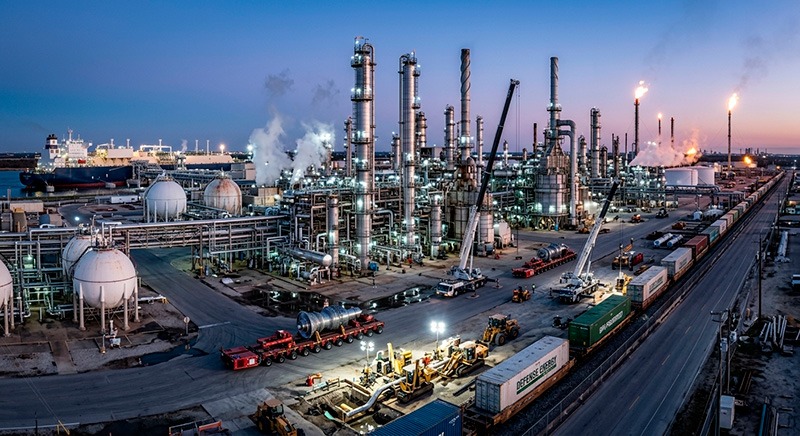
The Executive Branch invoked Section 303 of the Defense Production Act of 1950 to dramatically expand domestic energy capabilities. This sweeping presidential determination designates petroleum, coal, natural gas, and electrical grid infrastructure as critical materials essential to national defense. The actions issued in April 2026 mandate immediate federal intervention to resolve bottlenecks and accelerate the deployment of large-scale energy systems across the United States.
This aggressive policy maneuver traces its origins back to January 2025, when Executive Order 14156 officially declared a National Energy Emergency. The administration identified inadequate energy production and intermittent supply lines as extraordinary threats to national security. By utilizing the Defense Production Act, the executive office bypasses traditional bureaucratic constraints, fast-tracking financial support and purchasing commitments to secure the nation’s industrial base.
Officials assert that a robust and self-reliant energy sector forms the backbone of military readiness and domestic prosperity in the XXI century. Hostile foreign actors and global supply chain disruptions have repeatedly exposed vulnerabilities within the domestic energy framework. These five simultaneous presidential determinations aim to permanently eliminate those weaknesses by funding exploration, streamlining pipeline construction, and subsidizing base-load power generation capabilities nationwide.
Oil and Refining Expansion
The first determination targets domestic petroleum production and logistics. The nation requires petroleum to fuel military forces and critical infrastructure. Permitting delays and financing constraints previously hindered this sector. The new directive categorizes oil exploration and marine terminals as essential defense resources. The federal government now provides direct financial support to oil companies.
This action waives standard regulatory review periods. Analysts expect a 15% increase in domestic crude production by late 2026. Refineries will receive federal subsidies to upgrade aging equipment. These upgrades prevent supply disruptions during global crises. The mandate eliminates long lead times for pipeline construction. Energy firms can now fast-track drilling permits on federal lands. The Defense Department guarantees purchase commitments for refined petroleum products. This ensures a stable market for energy producers. Planners view this as a crucial step for military readiness.
The nation cannot rely on foreign oil imports during conflicts. Domestic refineries process roughly 18 million barrels of oil daily. The government wants to push this capacity above 20 million barrels. This expansion protects the economy from international price shocks. Engineers will design new logistics hubs near major oil fields. These hubs will quickly distribute fuel to coastal ports.
Rebuilding the Coal Supply Chain
The second action focuses on coal supply chains. It also secures base-load power generation capacity. The administration considers coal a highly reliable energy source. Intermittent energy sources sometimes fail during extreme weather events. Coal power plants provide consistent and uninterrupted electricity. The executive branch authorized funds to modernize existing coal facilities. The mandate protects coal extraction companies from market volatility.
Federal agencies will streamline the permitting process for new mines. The government aims to increase coal stockpiles by 30% this year. Reliable baseload power prevents rolling blackouts during peak demand. Industry experts report that coal generates significant portions of domestic electricity. Many older plants faced closure due to previous environmental regulations. The Defense Production Act effectively suspends several of those restrictions.
The government now treats coal facilities as critical defense assets. This designation shields operators from sudden regulatory shifts. Miners will see increased job security and expanded operations. Federal contracts guarantee minimum purchase prices for metallurgical coal. This material remains vital for domestic steel production. The administration views steel as essential for military hardware. Heavy industries require constant power to run large manufacturing lines.
Advancing Natural Gas Capabilities
Natural gas represents the third pillar of this energy overhaul. The president issued a specific determination for gas transmission and processing. The directive also covers liquefied natural gas capacity. The United States currently leads the world in natural gas production. However, infrastructure bottlenecks often trap resources in producing regions. The new policy funds the construction of high-capacity transmission pipelines.
These pipelines will move gas from extraction fields to coastal terminals. The government considers liquefied natural gas vital for global geopolitical strategy. Exporters ship large quantities of fuel to allied nations. The federal government will underwrite loans for new storage facilities. Officials want to expand processing capacity by 25% before 2028. This expansion requires massive industrial investments. The Defense Production Act facilitates rapid land acquisition for pipelines.
It also forces manufacturers to prioritize orders for compressor station equipment. Gas producers praise the administration for removing bureaucratic hurdles. The nation consumes billions of cubic feet of gas daily. Expanding this infrastructure ensures affordable heating for citizens. It also provides reliable fuel for heavy industrial manufacturing. New processing plants will extract valuable byproducts from the raw gas.
Expediting Large-Scale Infrastructure
The fourth determination targets large-scale energy infrastructure. This includes manufacturing and deployment of major industrial components. Complex energy projects often require years of planning and construction. The administration finds these long lead times completely unacceptable. The new directive mandates accelerated production schedules for essential equipment. Federal agencies will provide direct capital to heavy machinery manufacturers. The government requires factories to prioritize defense-related energy orders.
This ensures developers receive turbines and generators without delay. Officials estimate these actions will cut construction timelines by 40%. The policy covers a wide range of energy-related infrastructure. Developers can now quickly build massive power generation stations. The state relies on these facilities to power major urban centers. The directive also supports the manufacturing of specialized construction equipment. Builders need heavy cranes and earthmovers to complete these projects. The government offers purchase guarantees to equipment manufacturers.
This financial security encourages rapid industrial expansion. Energy analysts predict a surge in major construction projects nationwide. The United States must continuously modernize its aging industrial base. These investments secure the nation against future technological shortfalls. Domestic steel mills will supply the raw materials for these massive projects.
Securing the Power Grid
The final determination addresses grid infrastructure and supply chain capacity. Cyber and physical threats constantly jeopardize the national electrical grid. The administration classifies transformers and switchgear as critical technology items. Utility companies constantly struggle to procure large power transformers. Foreign manufacturers currently produce many of these essential electrical components. The president mandated the rapid expansion of domestic transformer manufacturing.
The government will aggressively subsidize factories that build grid-scale equipment. Officials demand a 50% increase in domestic production capacity. This reduces dangerous reliance on unpredictable overseas supply chains. The policy directs funds to harden the grid against electromagnetic pulses. It also protects vulnerable substations from coordinated physical attacks. Utility operators must prioritize grid resilience over short-term corporate profits. The federal government provides the necessary capital for these crucial upgrades. A secure grid ensures the continuous operation of vital military installations.
It also keeps civilian hospitals and emergency communication networks functional. Engineers will immediately deploy advanced monitoring systems across the network. These systems detect and isolate electrical faults before they cascade. The administration views a reliable grid as a fundamental defense requirement. The nation requires seamless power delivery to maintain economic dominance.
Economic and Security Impacts
These five directives fundamentally reshape the national economy. The government plans to inject billions of dollars into the energy sector. This massive federal investment generates thousands of high-paying industrial jobs. Economists confidently project the creation of 250,000 new manufacturing positions. The energy independence strategy actively shields consumers from global inflation. Citizens will likely experience lower utility bills in the coming years. Stable energy prices drastically reduce the cost of producing consumer goods.
The manufacturing sector benefits immensely from abundant and cheap electricity. Foreign policy experts note the strategic advantages of this sweeping overhaul. The United States no longer needs to appease hostile energy exporters. The nation can aggressively leverage its energy surplus in international negotiations. Allies will increasingly rely on American natural gas instead of foreign competitors. The Defense Production Act ensures the rapid execution of these ambitious goals. Bureaucratic delays no longer threaten essential national security objectives.
The executive branch maintains strict, continuous oversight of the implementation process. Agencies must report their progress directly to the president every month. This centralized control guarantees maximum efficiency across all federal departments. The XXI century requires a dynamic and robust energy strategy.
Impacts on Tribal and Federal Lands
The energy expansion heavily impacts federal and tribal lands across the continent. Indigenous communities closely monitor the rapid deployment of new infrastructure. The administration requires energy firms to consult with tribal councils. However, the Defense Production Act effectively limits local opposition. Federal agencies can override standard environmental reviews on sovereign territories. Pipeline routes frequently cross culturally significant landscapes.
Resource extraction brings immediate financial capital to rural indigenous reservations. Some tribal governments welcome the sudden influx of federal subsidies. These funds build schools and hospitals in historically underserved areas. Conversely, environmental advocates within native communities protest the fast-tracked permits. They fear the long-term degradation of local water supplies. The government promises strict oversight of all new drilling operations. Federal inspectors will monitor pipeline construction to prevent ecological damage.
The directives force a complex balance between national security and indigenous sovereignty. The executive branch demands rapid resource development to secure the nation. Tribal leaders negotiate fiercely to protect their ancestral territories. The XXI century energy boom permanently alters the domestic landscape. Energy independence requires substantial sacrifices from rural communities. Planners must navigate these delicate geographic and cultural boundaries.
Industry Response and Projections
Energy industry executives strongly support the presidential determinations. Corporate leaders widely praise the removal of burdensome regulatory requirements. Financial markets reacted very positively to the government announcements. Energy sector stocks surged immediately following the release of the documents. Investors highly appreciate the stability provided by federal purchase commitments. Banks are now eagerly financing previously stalled energy infrastructure projects.
Companies plan to break ground on new industrial facilities immediately. Labor unions also expressed strong approval of the job creation aspects. The construction sector eagerly anticipates a decade of unprecedented economic growth. Environmental groups fiercely voiced concerns regarding the focus on fossil fuels. They argue these policies completely ignore long-term climate implications. The administration maintains that national security takes absolute precedence over environmental concerns. Officials stubbornly insist that modern facilities operate cleaner than older models.
The government fully expects tangible results within the next twelve months. Production metrics will likely show significant increases by early 2027. The United States rapidly solidifies its position as an energy superpower. These decisive actions ensure total energy dominance for the foreseeable future. The administration promises further investments if market conditions demand additional intervention.
More News: The Artificial Intelligence Power Surge
More: TWH
