


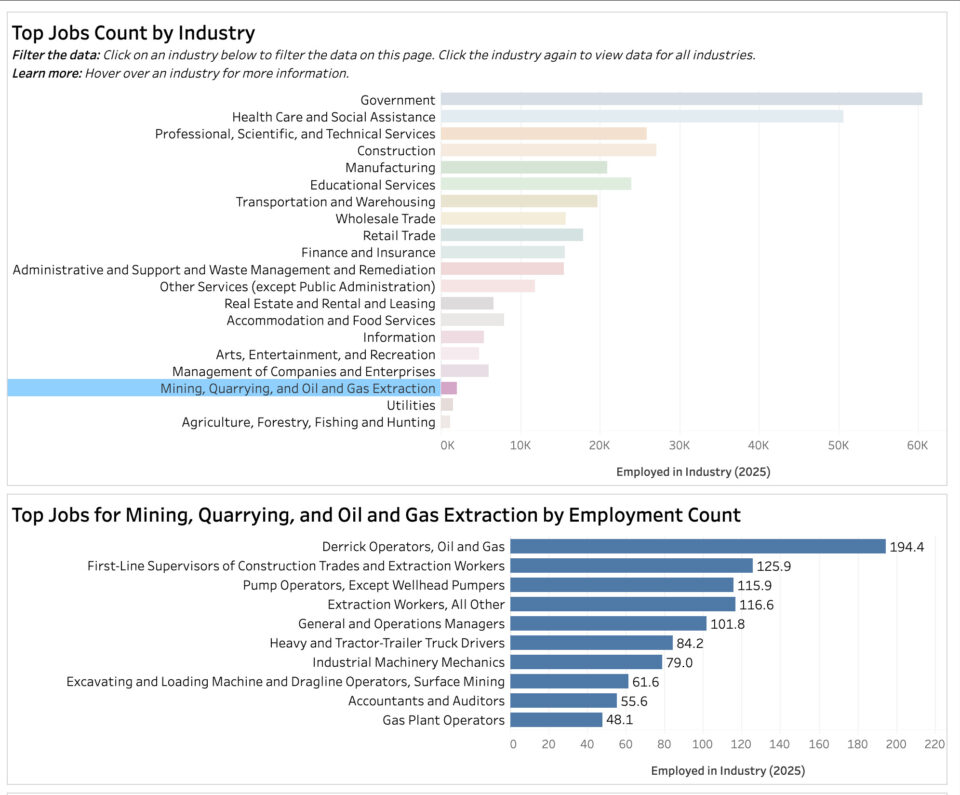
Greater New Orleans, Inc. and Bank of America released the 2025 Greater New Orleans Jobs Report. The document offers a comprehensive analysis of the regional workforce landscape. Now in its seventh year, the report identifies high-demand occupations. It pinpoints key areas of industry growth across Southeast Louisiana. This year, analysts focused heavily on the region’s absolute economic powerhouse. The publication explores the Mining, Quarrying, and Oil and Gas Extraction sector exclusively. The detailed document serves as a foundational resource for aligning education and economic development efforts. Planners utilize these insights to support massive local industry expansion.
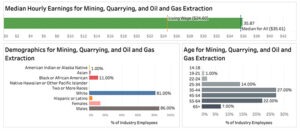
The regional economic development organization developed the report in partnership with Bank of America. The document equips stakeholders with actionable data to inform targeted workforce development. Educators, policymakers, training providers, and business leaders use this information extensively. This specific edition introduces updated wage thresholds for heavy industry workers. It expands the criteria for essential, heavy-machinery occupations. The deep analysis explores the exact in-demand skills currently shaping the regional extraction workforce. Users access all these vital data points through an interactive digital platform. The online portal drastically simplifies complex geological and economic statistics.
Michael Hecht, President and CEO of Greater New Orleans, Inc., addressed the findings. “The labor market in Greater New Orleans is starting a new chapter where the energy industry is booming, the Louisiana International Terminal is on the verge of reshaping local logistics, and healthcare remains the backbone of the regional workforce,” Hecht stated. “What this report makes clear is that the job opportunity is real and can be achieved by aligning education and training pathways to meet it. The workers, the demand, and the investment are all on deck; this data helps ensure they align with each other.”
Unprecedented Wage Growth and Stability
The Mining, Quarrying, and Oil and Gas Extraction sector completely dominates local wages. Extraction workers earn nearly $199,000 in average annual earnings. This remarkable figure represents the highest compensation of any regional cluster. The sector continues offering unparalleled financial stability for local workers. High wages easily attract specialized technical talent to the area. Companies aggressively recruit engineers, geologists, and heavy machinery operators constantly. Average weekly wages across the region reached $1,430 recently.
This amount represents a massive gain of roughly 41% since 2019. The Greater New Orleans unemployment rate held steady at 4.4% in 2025. National unemployment concurrently ticked up to 4.5% during this period. This stark contrast demonstrates extremely strong regional economic resilience. The massive extraction industry heavily anchors this local financial stability. Companies confidently plan for long-term operational investments. Workers experience much better overall job security. Consistent growth proves the effectiveness of local economic policies.
The Transformative Boom in Capital Investments
The local extraction industry currently experiences a massive, transformative boom. Energy projects bring vital capital investments directly to the area. Investors recently poured over $61 billion into the state economy. These massive financial investments created over 9,300 direct new jobs. The industry currently generates roughly 25% of the total state economy. Oil and gas extraction operations operate continuously along the coast. Drilling rigs pull valuable resources from deep subterranean reservoirs daily. Quarrying operations provide essential raw materials for regional infrastructure projects.
These raw materials physically support the rapid expansion of industrial facilities. For example, local quarries supply limestone for massive construction foundations. The sector demands highly resilient, well-trained professionals constantly. Extractive industries form the undisputed bedrock of the regional economy. Companies launch new exploratory projects with immense confidence. The region avoids the financial volatility seen in other markets.
Integrating Modern Technology with Traditional Extraction
The extraction sector fully embraces an “all-of-the-above” strategic approach today. Traditional oil and gas jobs remain economically vital for the region. However, companies rapidly integrate new technologies into daily extraction operations. This approach directly includes expanding liquefied natural gas production facilities. Facilities compress natural gas for highly efficient global exportation. Companies also pioneer advanced carbon capture and storage technologies.
These environmental initiatives run alongside traditional deepwater drilling operations. Extraction firms increasingly invest massive capital in hydrogen integration. They also fund cutting-edge renewable energy projects across the state. The rapid transition to cleaner energy creates specialized employment roles. The regional workforce quickly adapts to these changing industry needs. Workers smoothly transition into these modern, high-paying energy careers. Technology actively enhances the safety of dangerous extraction procedures.
Strategic Wage Adjustments for the Labor Force
The 2025 report introduces important methodological updates for workforce evaluation. Analysts updated critical wage thresholds using the 2025 Living Wage. The Massachusetts Institute of Technology calculates this specific regional metric. The new standard sets the Top Job floor at $24.60 per hour. On-Ramp Jobs now range strictly between $18.45 and $24.60 per hour. Extraction companies frequently offer compensation far above these minimum thresholds.
Entry-level rig workers quickly advance into lucrative Top Job categories. Accessible entry points lead directly to long-term economic mobility. Training programs target these precise, high-demand extraction roles. Clear wage benchmarks successfully reduce general labor market friction. They ensure compensation properly aligns with current living costs. Organizations utilize this data to negotiate better worker contracts. Transparency empowers workers to demand appropriate financial compensation.
Advanced Skills and the Logistics Network
Modern extraction processes demand highly advanced, specialized engineering skills. The remaining physical positions now require much higher technical proficiency. Increased automation causes some shifts in traditional operational roles. Workers operate complex robotic systems on remote offshore platforms. Advanced software tracks resource extraction rates in real time. Extraction operations require massive logistical support to function effectively. The Louisiana International Terminal will strongly strengthen regional supply chains.
This terminal represents a true generational infrastructure investment. It perfectly accommodates the massive global vessels transporting extracted resources. Supply chain experts consider this project essential for future survival. Extracted oil and natural gas require immediate, efficient transportation networks. Pipelines quickly move materials from remote extraction sites to coastal refineries. Specialized cargo ships export these finished products globally. Efficient logistics guarantee the continued profitability of regional extraction companies.
Banking Partnerships Drive Sector Expansion
Jonathan Matessino specifically highlighted the report’s practical applications. He serves as the New Orleans and Baton Rouge President for Bank of America. “Bank of America is proud to help put the right tools in the hands of the people working to expand economic opportunity across the region,” Matessino said. “This year’s Jobs Report gives educators, employers, and policymakers a sharper, more complete picture of where real workforce demand exists, so they can deploy resources where they’ll have the greatest impact.
The differentiator is the report points not just to where the growth numbers lead, but where the region’s economic foundation depends on a strong talent pipeline.” Financial institutions play a truly vital role in this sector. They directly fund necessary educational and technical training initiatives. Extraction corporations heavily sponsor programs to upskill the current workforce.
Developing a Resilient Pipeline of Specialized Talent
These critical public-private partnerships yield excellent long-term economic dividends. Banks provide massive capital loans for expensive extraction equipment. Companies purchase advanced drills, seismic sensors, and safety gear. The financial sector fully understands the economic power of extraction. Community colleges are rapidly expanding their practical vocational training options. Universities continually enhance their prestigious petroleum engineering degree programs. This comprehensive approach ensures balanced, highly targeted regional economic development.
The sector absolutely demands a steady, reliable talent pipeline. Aging workforce demographics require much more aggressive recruitment strategies. Job openings in extraction consistently outpace many other regional industries. Educational institutions ramp up their specific technical training programs. This critical collaboration ensures drilling facilities find the workers they need. Workers find numerous clear paths for upward career advancement.
Analyzing Declining Roles and Structural Changes
The report significantly expands its standard analytical criteria. It deliberately includes select declining regional occupations within the sector. These specific roles must maintain at least 500 current jobs. They cannot show more than a 25% decline over ten years. This recognizes the importance of large, foundational occupational roles. Some traditional manual labor roles experience modest long-term contraction. Increased mechanization replaces some dangerous physical extraction tasks. However, these sectors remain absolutely critical to the regional economy.
Tracking these subtle changes provides a highly accurate economic view. Planners quickly identify which exact skills need immediate regional updating. They avoid over-training workers for permanently shrinking fields. They wisely direct resources toward expanding employment opportunities instead. This nuanced approach successfully prevents massive structural unemployment. It guides vulnerable workers toward sustainable, long-term career paths.
Advancing Environmental and Safety Standards
The extraction sector continuously improves mandatory workplace safety protocols. Companies strictly enforce comprehensive safety regulations on all drilling platforms. Workers receive intensive training for hazardous material handling procedures. Modern sensor technologies detect potential equipment failures instantly. This proactive approach significantly reduces catastrophic industrial accidents. Quarrying operations utilize advanced dust suppression systems constantly. These critical systems strongly protect the delicate local environment.
Companies actively monitor local air and water quality continuously. They employ dedicated environmental scientists to oversee daily operations. This rigorous oversight prevents ecological damage during resource extraction. The industry balances aggressive economic growth with necessary environmental stewardship. State regulators conduct surprise inspections to ensure total operational compliance. Strict adherence to safety standards saves lives daily. The regional extraction sector sets a global standard for responsibility.
Future Projections for the Extractive Economy
Greater New Orleans, Inc. will utilize this data extensively. Regional partners will use it to inform public policy decisions. The verified data successfully guides targeted business development strategies. It sharply shapes modern educational programming for future extraction workers. Philanthropic organizations use the findings to direct future investments. These coordinated actions build a resilient, highly competitive region. They create an opportunity-rich environment for all local residents. The interactive online dashboard allows deep exploration of the data. Users easily filter statistics by extraction industry, wage, and education. This high accessibility greatly empowers individual regional job seekers. They make highly informed decisions about their own career trajectories. Extraction companies utilize the portal to analyze market compensation rates. The entire workforce greatly benefits from this comprehensive foresight.
More news: The Dawn of a New Era: How American Energy Dominance Fuels Global Stability
More: Greater New Orleans
