


Global industries urgently seek sustainable energy solutions to replace fossil fuels. Chemical manufacturing and steel production rely heavily on hydrogen molecules to power their extensive operations. Current data shows global hydrogen demand reaches approximately 100 million tons annually. Industry experts project this figure will surge to between 300 million and 700 million tons by 2050. However, manufacturers currently classify more than 98% of this hydrogen as gray hydrogen, which relies entirely on fossil energy sources.
Powering Global Decarbonization Efforts
This production method releases at least 10 kilograms of carbon dioxide for every single kilogram of generated hydrogen. Consequently, the industry generates massive emissions. Transitioning to climate-neutral hydrogen offers a profound opportunity to eliminate 1 billion tons of carbon emissions annually. This massive reduction equals roughly one-third of the total energy-related emissions across the European Union today.
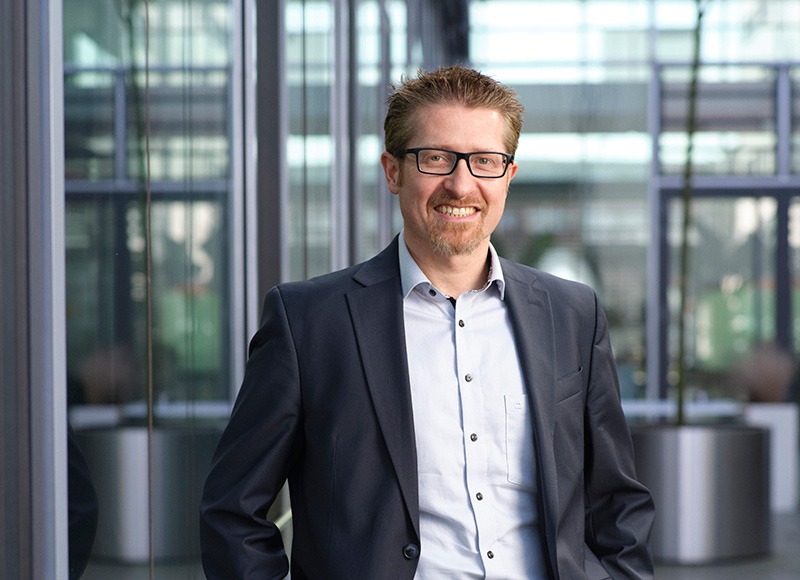
Producing green hydrogen requires electrolysis to split water into hydrogen and oxygen using renewable electricity. Traditional electrolysis technologies face severe limitations regarding efficiency and overall investment costs. High operating expenses constantly hinder widespread adoption across industrial sectors. To combat these barriers, Evonik dedicated extensive resources to develop an innovative solution. Christian Däschlein and the engineering team at Evonik spearheaded the creation of a specialized high-tech polymer.
They designed this advanced material to significantly lower the financial barriers associated with sustainable hydrogen generation. The resulting product tackles the critical economic challenges that previously restricted green energy expansion. This strategic innovation provides manufacturers with a viable path to adopt clean energy without compromising their operational budgets. The team successfully translated complex polymer chemistry into a practical industrial application.
Overcoming Traditional Electrolysis Limits
The core of this technological breakthrough centers on an anion exchange membrane, widely known as AEM technology. Evonik specifically engineered the Durion membrane to serve as the central element within this water electrolysis process. The membrane operates effectively in an alkaline environment, which drastically changes the economic landscape of hydrogen production. Equipment manufacturers previously relied on expensive precious metals like iridium to build functional catalysts.
The new polymer membrane allows developers to completely dispense with these costly materials. Furthermore, the technology enables workers to produce hydrogen directly under high pressure. Standard industrial applications typically require pressurized hydrogen to function correctly. By generating the gas at the required pressure levels, operators eliminate the need to purchase and maintain expensive downstream compression equipment. This streamlined process reduces overall capital requirements significantly.
AEM electrolysis delivers exceptional operational flexibility for modern facilities. Plant managers can quickly ramp the system up or down. This rapid adjustment suits power grids that use fluctuating wind and solar energy. Developing this specialized membrane required balancing three contradictory technical properties. First, the material must exhibit highly efficient ion conductivity. Second, it must maintain strong chemical stability and mechanical strength.
Third, the design must prevent dangerous hydrogen crossover entirely. Preventing this gas mixture guarantees essential safety during daily operations. Engineers started the complex development process at the molecular level. They ensured the final membrane met all stringent customer requirements. Furthermore, Evonik completely eliminated PFAS chemicals from the manufacturing process.
Scaling Commercial Membrane Production
The company recently invested in a massive new pilot plant. This facility allows continuous production of the Durion membrane. Workers previously manufactured the product manually in small formats. Now, the facility features a roll-to-roll coating line. The specialized machinery measures just under 20 meters in length. Technicians claim it represents the largest production line globally. The system produces advanced membranes in widths reaching 1 meter.
Operators apply a specialized polymer solution onto a carrier film. They can also embed a fabric reinforcement to satisfy clients. The moist polymer passes through specific drying elements sequentially. Technicians adjust drying conditions to precisely modify membrane properties. Workers then wind the final product onto massive rolls. The factory delivers these completed rolls directly to global customers.
The current expansion supports an impressive 2.5 gigawatts of capacity. This output equals one-quarter of Germany’s planned capacity for 2030. Technoeconomic studies reveal a massive financial advantage for early adopters. The technology guarantees a 25% investment cost reduction over competitors. Evonik controls the entire process from base molecules to rolls. This backward integration ensures consistently high quality across all batches. The current geopolitical climate exposes the vulnerability of supply chains. European nations remain overly dependent on imported fossil energy sources.
Establishing a localized green hydrogen economy enhances regional strategic sovereignty. These advanced membranes fundamentally protect global climate stability. The continuous production line marks a historic engineering milestone. Industry leaders continue advancing toward a fully resilient energy framework. Engineers anticipate further growth as international markets embrace sustainable practices.
More news: Transforming Plastic Waste Through Advanced Chemical Recycling
More: Evonik
