


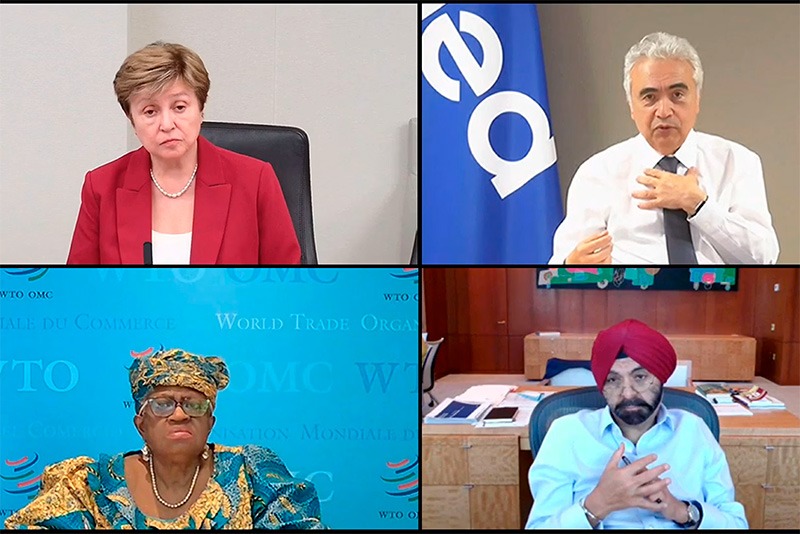
The ongoing conflict in the Middle East generates severe and asymmetrical impacts across global energy supplies and economic activity. A recent joint statement from the International Energy Agency, the International Monetary Fund, the World Bank Group, and the World Trade Organization highlights this escalating crisis. The disruption of critical trade routes, particularly the Strait of Hormuz, triggered a massive drawdown of global oil inventories at a record pace.
The Strain on Energy and Global Supply Chains
Between March and April of 2026, global markets saw observed inventories fall by 250 million barrels. Producers lost more than 1 billion barrels of cumulative oil supply. Additionally, operators shut in 14 million barrels per day of oil production. The swift depletion of these oil reserves introduces severe risks for market conditions. Leaders warn that these shortages threaten fuel security right before the Northern Hemisphere approaches its peak summer oil demand.
Energy costs skyrocketed as supply chains struggled to adjust to the massive disruptions. Brent crude futures, the main global benchmark, soared roughly 33% above pre-conflict levels by late May of 2026. Natural gas markets experienced similar turbulence, as the Dutch TTF benchmark rose more than 40% between late February and late May. Global supply lines faced immense pressure, forcing energy suppliers to rapidly redirect exports to alternative terminals.
The international agencies warn that failing to restore normal shipping flows will deeply damage broader economic resilience. Officials monitor these price surges because energy inflation acts as a heavy anchor on global growth. The sudden price spikes drain consumer purchasing power and increase operational costs for businesses across every continent. The entire global energy infrastructure now operates under unprecedented strain due to the prolonged conflict.
Impacts on Vulnerable Nations and Agricultural Markets
While the global economy demonstrates moderate resilience, the conflict disproportionately devastates the most vulnerable nations. Developing countries face overwhelming challenges due to skyrocketing fuel and fertilizer prices. International experts express deep concern over agricultural inputs as many nations enter their critical planting seasons. The sudden surge in fertilizer costs threatens global food security and increases the likelihood of severe food shortages.
Farming sectors in emerging economies heavily rely on imported fertilizers to sustain crop yields. Without affordable agricultural supplies, local farmers cannot maintain production quotas, which inevitably leads to domestic inflation. High energy prices compound the crisis by inflating transportation costs for essential agricultural goods. These combined factors create immense uncertainty and place millions of jobs and livelihoods at immediate risk. Global institutions recognize that developing economies lack the financial buffers required to absorb these sudden macroeconomic shocks.
The interconnected nature of global trade means these regional disruptions quickly infect international markets. Rising inflation damages consumer confidence in both wealthy and developing countries. Governments scramble to shield their citizens from the sudden economic fallout. However, limited budgets restrict the ability of state authorities to offer significant financial relief. Policy makers analyze various strategies to subsidize essential goods without increasing national debt.
Higher operating costs force factories and logistics companies to scale back their operations. The World Trade Organization highlights how the crisis destabilizes established global trade routes. Ships take longer detours around conflict zones, which drastically delays delivery times. Businesses inevitably pass these extra shipping expenses directly down to everyday consumers. This ripple effect guarantees that the economic pain extends far beyond the immediate geographic borders of the Middle East conflict.
Coordinated Institutional Response and Future Actions
The heads of major international organizations established a high-level coordination group to maximize their response. The International Energy Agency, International Monetary Fund, World Bank Group, and World Trade Organization met recently in Washington. These leaders convened to assess the widespread impacts and coordinate direct support for the hardest-hit regions. The group actively explores options to enhance collective assistance through multilateral and bilateral actions. Officials prioritize the close monitoring of fertilizer supply chains and energy developments.
Transparency remains a key objective as institutions track government measures designed to mitigate economic damage. Financial authorities gather crucial data to share valuable policy lessons across international borders. Global analysts identify emerging risks early to prevent further market destabilization. The organizations pledge to maintain open communication channels as the unpredictable situation continues to unfold. Strong coordination among these institutions provides a necessary framework for stabilization.
Restoring secure shipping flows remains the primary goal for international economic stability. Current policy interventions aim to soften the blow for vulnerable populations relying on imports. Leaders urge governments to avoid restrictive trade policies that might worsen global shortages. Instead, experts recommend collaborative frameworks to ensure essential goods reach developing nations efficiently. Financial backing from the World Bank Group offers vital lifelines to countries facing sudden deficit crises.
The International Monetary Fund evaluates emergency funding options to stabilize trembling national currencies. At the same time, the International Energy Agency advises member states on managing emergency stockpiles. These combined strategies attempt to build resilience against the ongoing supply chain shocks. Success depends entirely on swift, transparent actions from global leaders. Maintaining global economic health requires constant vigilance and unified multilateral cooperation throughout the crisis.
More news: Government Unveils Extensive Financial Support Package for the Coal Industry
More: iea
