


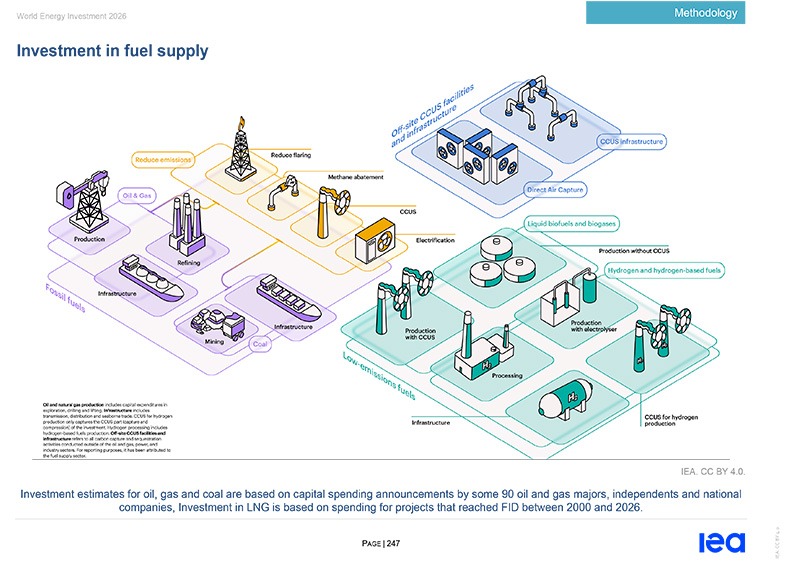
The global energy sector is experiencing a massive financial shift in 2026. Investors are pouring unprecedented amounts of capital into energy infrastructure across the world. The International Energy Agency highlights this transformation in its latest global report of energy investment.
Total global energy investment will hit $3.2 trillion in 2026. This marks a significant increase from previous years. The numbers reveal a distinct pivot toward more sustainable power generation methods. However, traditional fuel sources still command a large portion of the market.
The data outlines a complex reality for global markets. Financial flows dictate the pace of the energy transition. Observers can see clear geographical divides in where this money goes. The following sections break down the major trends shaping the current energy landscape.
Clean Technologies Dominate Market Spending
Clean energy investment leads the global financial charts in 2026. Investors will spend approximately $2.2 trillion on sustainable technologies this year. This figure represents a massive leap from earlier decades. Solar power projects capture the largest share of these funds. Developers are allocating nearly $600 billion solely to solar photovoltaic installations. Wind energy and electric vehicle infrastructure also attract massive capital injections.
The ratio of clean energy to fossil fuel spending now stands at roughly 2.2 to 1. This metric demonstrates a definitive shift in market priorities. Financial institutions view renewable projects as safe and profitable ventures. Government policies play a crucial role in driving this market confidence. Subsidies and tax incentives encourage private companies to build green infrastructure. The world is witnessing a structural change in how markets value energy assets.
Fossil fuels still maintain a stronghold in the global economy. Companies will invest around $1 trillion into coal, oil, and natural gas in 2026. National security concerns drive much of this continued fossil fuel spending. Several countries want to guarantee a stable power supply during geopolitical tensions. Oil companies are directing more capital into existing oilfields rather than exploring new ones. This strategy maximizes short-term profits while limiting long-term exposure.
Investors direct heavy funding to natural gas projects in regions transitioning away from coal. However, coal investments remain stubbornly high in parts of Asia. Environmental advocates criticize this ongoing financial support for high-emission fuels. The data shows that the world has not fully abandoned traditional energy sources. The energy transition remains incomplete despite the record-breaking investments in renewables.
Infrastructure Bottlenecks Threaten Progress
Power grids face immense pressure from the rapid expansion of renewable energy. Existing electrical networks cannot handle the sudden influx of solar and wind power. Consequently, grid modernization has become a major focus for global investors. Companies will spend an estimated $450 billion on power grid upgrades in 2026. Advanced battery storage systems account for a large portion of this budget.
Engineers must build flexible grids to accommodate intermittent energy sources. Smart grid technologies help utilities balance electricity supply and demand efficiently. Without these critical upgrades, many clean energy projects cannot connect to the network. Several countries already experience delays in deploying new wind and solar farms. Regulatory hurdles often slow down the construction of new transmission lines. Governments must streamline approval processes to fix these infrastructure bottlenecks.
Supply chain issues also complicate the global energy transition. Manufacturers struggle to produce enough critical minerals for batteries and solar panels. The demand for lithium, copper, and cobalt has skyrocketed in recent years. Mining companies are investing heavily to open new extraction sites. However, bringing a new mine into production takes many years. This delay creates a significant gap between mineral supply and market demand.
Price volatility for these essential materials adds risk to new energy projects. Developers sometimes have to pause construction when equipment costs suddenly spike. Geopolitical rivalries further strain these fragile global supply chains. Some nations are restricting the export of vital technological components. The industry needs diverse and resilient supply networks to maintain its current growth rate.
Emerging Markets Face Financial Shortfalls
Investment capital does not flow evenly across the globe. Advanced economies and China absorb the vast majority of clean energy funding. In contrast, emerging and developing economies receive a disproportionately small share. These nations account for only 15% of total clean energy investments in 2026. High capital costs present a massive barrier for developing countries. International lenders often charge higher interest rates for projects in these regions.
Investors perceive higher political and economic risks in emerging markets. Consequently, many promising renewable energy projects fail to secure necessary funding. This financial disparity threatens global climate goals. Developing nations need clean energy to power their growing populations and economies. Without adequate funding, they might turn to cheaper, high-emission fossil fuels instead.
International organizations are trying to bridge this massive financing gap. Development banks are creating new financial instruments to reduce investor risks. Blended finance models combine public funds with private capital to attract commercial investors. These strategies aim to lower the borrowing costs for clean energy developers. Multilateral institutions also provide technical assistance to help governments design better energy policies.
Transparent regulations build investor trust and attract foreign direct investment. However, current efforts fall short of the actual financial requirements. Emerging markets need trillions of dollars to successfully transition their energy systems. The international community must mobilize capital on a much larger scale. Global climate stability depends on equitable access to clean energy funding. Time is running out to correct this dangerous financial imbalance.
More news: Energy Projects Conference & Expo NA 2026
More: IEA
